Thai
Authentic Pad Krapow Moo Recipe: Spicy Thai Basil Pork Stir-Fry
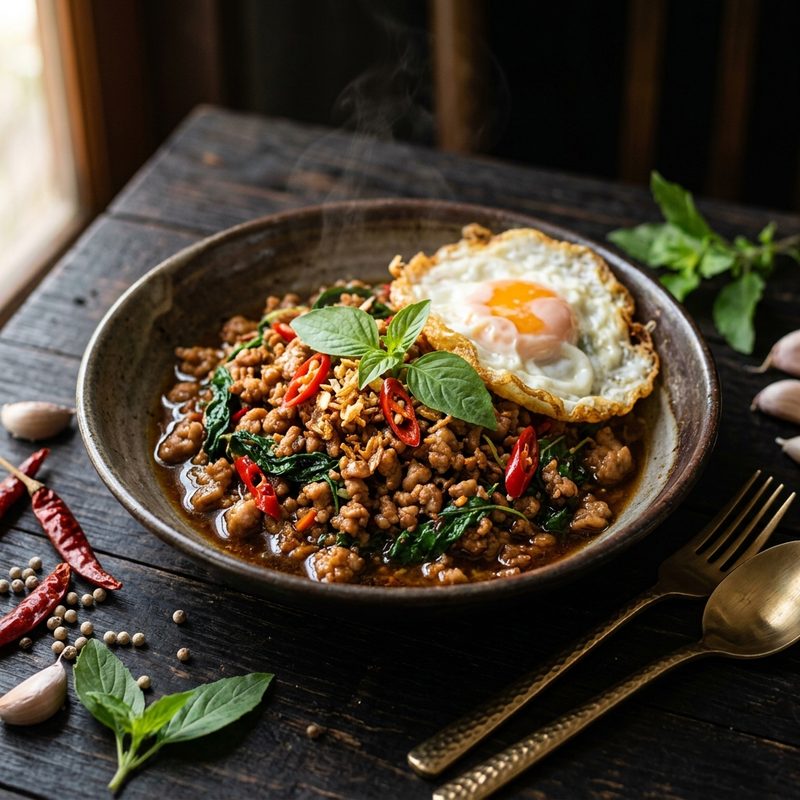
Pad Krapow Moo is the soul of Thai street food, featuring minced pork seared in a high-heat wok with a pungent garlic-chili paste and peppery holy basil. This version balances the salty-sweet depth of Thai sauces with the smokiness of bloomed spices for a restaurant-quality finish at home.
- Prep
- 15 min
- Cook
- 10 min
- Serves
- 2
- Level
- Medium
- Per serving
- 480 kcal
Method
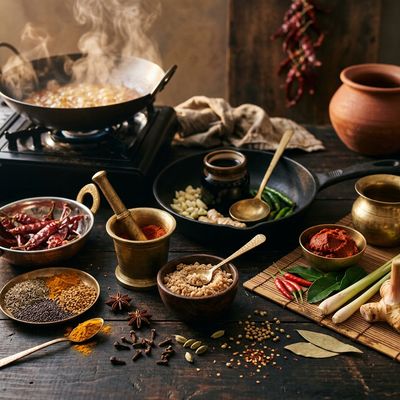
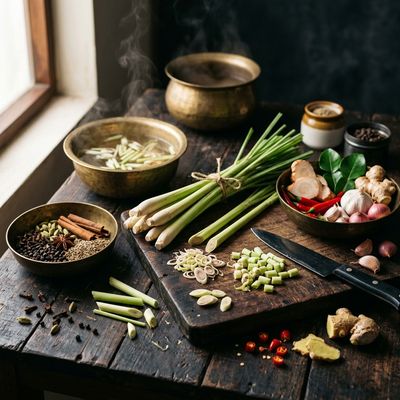
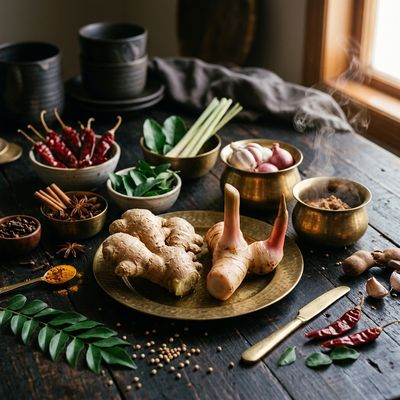
Preparation. Pound the garlic, bird's eye chilies, and whole white peppercorns into a coarse paste using a mortar and pestle. Ensure the peppercorns are cracked but not powdered.
The Egg (Kai Dao). Heat 2 tablespoons of oil in a wok until shimmering. Crack an egg and fry until the edges are crispy and brown (Thai style), but the yolk remains runny. Remove and set aside.
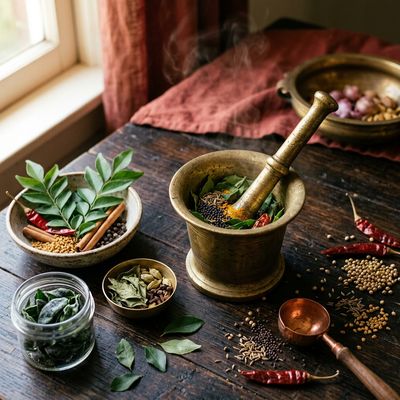
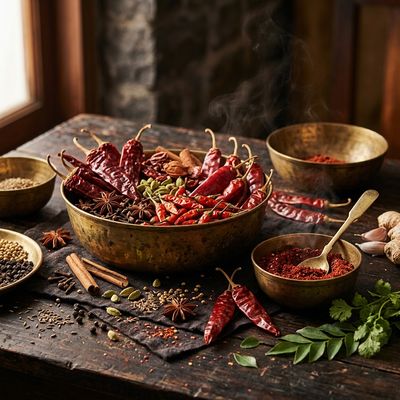
Blooming Whole Spices. In the same wok with remaining oil, add the whole dried red chilies. Let them bloom in the hot oil for 10 seconds until they darken slightly and release a smoky aroma—this is the 'tempering' phase crucial for depth. Do not let them burn.
Aromatics. Add the pounded chili-garlic-peppercorn paste into the oil. Stir-fry for 30 seconds until fragrant, using Indian-Chinese high-heat techniques to prevent sticking while achieving 'wok hei'.
The Meat. Add the minced pork. Increase heat to maximum and break the meat apart. Sear until the pork is no longer pink and begins to caramelize.
Seasoning. Pour in the oyster sauce, light soy sauce, dark soy sauce, fish sauce, and sugar. Add the chicken stock to create a slight 'gravy' that coats the meat. Stir rapidly.
Finishing. Turn off the heat. Immediately throw in the holy basil leaves. The residual heat will wilt the leaves, which preserves their essential oils and peppery flavor. Do not cook the basil; it should be finished at the end.
Assembly. Serve the pork immediately over hot jasmine rice, topped with the crispy fried egg and a side of nam pla prik (fish sauce with sliced chilies).
Notes
Use Holy Basil (Krapow) rather than Thai Sweet Basil (Horapa); the latter has an anise flavor that changes the dish's profile.
If you want the Indian-Chinese 'Chilli Pork' vibe, increase the dark soy sauce for color and add a splash of black vinegar at the end.
Blooming the whole dried chilies in oil first is a technique borrowed from Indian tempering (tadka) that adds a background smokiness common in Northern Thai variations.
The white peppercorns should be crushed fresh; pre-ground pepper will lack the requisite floral heat.
Make Ahead: The chili-garlic-pepper paste and the liquid sauce mixture can be prepared 24 hours in advance and stored in the fridge.