Guide
Green and Black Cardamom: A Guide to Flavor, Timing, and Techniques
While they share a name, green and black cardamom are distinct spices with vastly different profiles. This guide teaches you how to identify their unique flavors and exactly when to add them to your pots to elevate your home cooking.
Understanding the Profiles
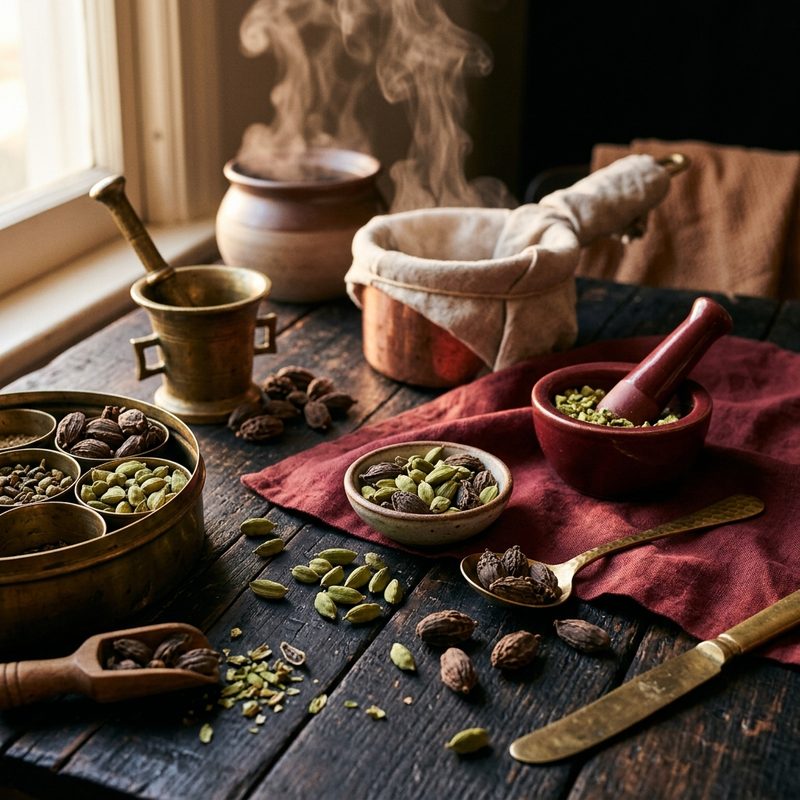
Green Cardamom (Chhoti Elaichi) is prized for its sweet, eucalyptus-like, and citrusy aroma. It is versatile, working in both desserts and savory curries. Black Cardamom (Badi Elaichi), however, is dried over open flames, giving it a powerful smoky, camphor-like, and earthy scent. Because their flavor profiles are so different, they are rarely used as substitutes for one another; rather, they often work in tandem to provide both high-floral and deep-bass notes in a dish.
The Art of Tempering (Tadka)
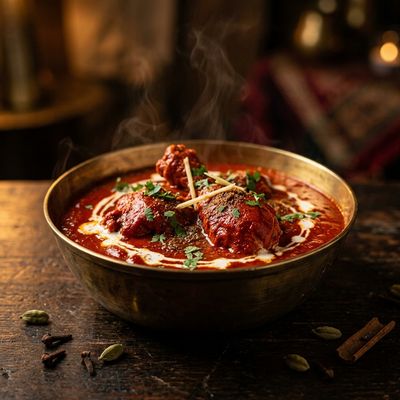
In Indian cooking, both spices often enter the pan during the tempering stage. For a dish like Jeera Rice or Dal Makhani, you must add the whole pods to hot oil or ghee at the very beginning. This 'blooming' process allows the fat to extract the fat-soluble essential oils. Ensure you lightly bruise the pods with a heavy knife first to expose the seeds without breaking them entirely. This stage is essential for establishing the foundation of the dish.
Blooming in Thai Curries
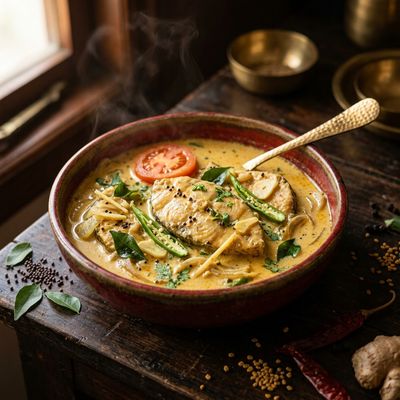
In Thai cuisine, particularly for Massaman Curry, green and black cardamom pods are often toasted dry in a pan before being pounded into a paste or tossed into the simmering coconut cream. When making the curry base, add the whole black cardamom while the coconut milk is 'breaking' (separating into oil). This allows the smoky notes to permeate the heavy proteins like beef or lamb, which are traditional in this preparation.
The Indian-Chinese Infusion
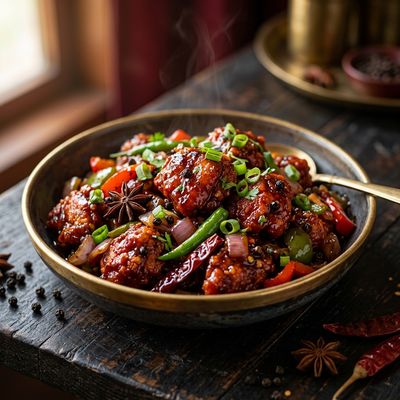
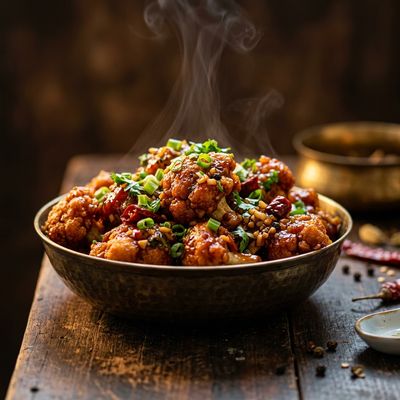
Indian-Chinese (Hakka) cooking frequently utilizes black cardamom in its 'Szechuan' style gravies or Chilli Chicken bases. Unlike traditional Chinese cooking which uses star anise, the Indian-Chinese variant often starts with black cardamom bloomed in oil alongside dried red chillies and garlic. This provides a deep, smoky undertone that mimics the complexity of wok-hei in a home kitchen environment.
Finishing for Fragrance
While black cardamom is almost always added at the start, green cardamom is often used as a finisher. In dishes like Kheer (Indian rice pudding) or Masala Chai, the pods are crushed and added toward the end of the cooking process. This preserves the delicate, volatile floral oils that would otherwise evaporate during long simmering. Finishing a savory Biryani with a sprinkle of freshly ground green cardamom powder just before sealing the pot (Dum) ensures a floral bouquet when the lid is lifted.
What to Make Ahead
Both Massaman Curry paste and Dal Makhani are excellent make-ahead options. In fact, these dishes improve after 24 hours because the cardamom continues to infuse the liquid. However, for Masala Chai, it is best to use fresh cardamom immediately, as the bright citrus notes of the green cardamom fade quickly once the tea is cooled and reheated.