Guide
How to Use Asafoetida (Hing) in Indian, Indian-Chinese, and Thai Cooking
Asafoetida, or Hing, is one of the most powerful spices in the world, capable of mimicking the depth of onions and garlic with just a tiny pinch. This guide explores the 'Tadka' technique and the specific timing required to bloom this resin for authentic flavor profiles.
Understanding the Quantity: The Power of a Pinch
Asafoetida is a resin with a pungent, sulfurous aroma that transforms into a savory, umami-rich depth once heated in fat. For a dish serving four people, you should rarely use more than 1/8 of a teaspoon of compounded hing powder. If you are using the pure resin form, a piece the size of a matchstick head is sufficient. Adding too much will result in a bitter, medicinal taste that can ruin the entire meal.
Indian Technique: Tadka Dal (Tempering)
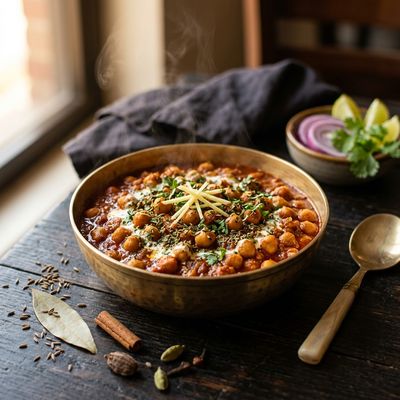
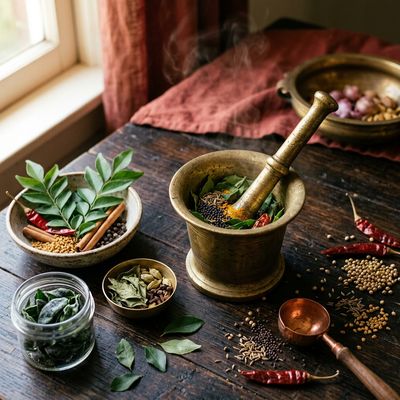
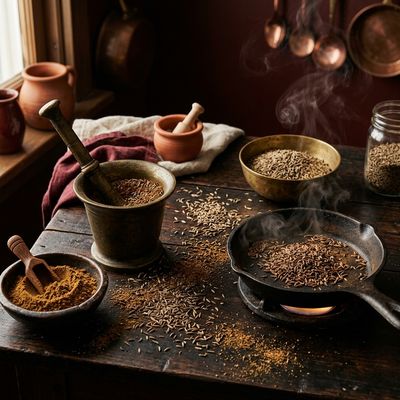
In a traditional Indian Tadka Dal, the hing is added during the 'tempering' phase. First, heat ghee or oil in a small pan. Add 1 teaspoon of Cumin Seeds (Jeera) and 2 Dried Red Chilies. Once the cumin seeds crackle and the chilies darken, add the Asafoetida (Hing). The hing should stay in the hot oil for only 2 to 3 seconds before the entire mixture is poured over the cooked lentils. This 'finishing' technique preserves the volatile oils and creates an aromatic punch.
Indian-Chinese Fusion: Gobi Manchurian (Blooming)
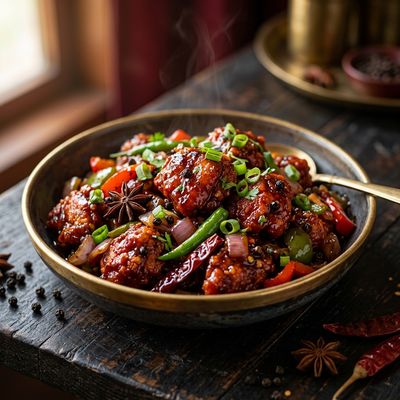
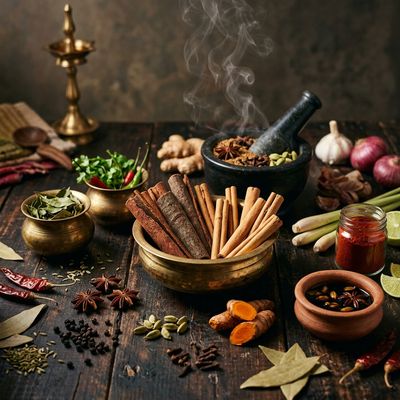
In Indian-Chinese (Desi-Chinese) cooking, hing is used to provide the 'wok hei' or smoky depth usually provided by intense heat. When making the base for Gobi Manchurian, heat oil in a wok and add Minced Ginger, Garlic, and Green Chilies. As these aromatics soften, add the Asafoetida. This is the 'blooming' stage. The hing blooms in the oil alongside the aromatics before the soy sauce and vinegar are added, ensuring the pungent edge is mellowed into a savory background note.
Thai Inspiration: Red Curry Enhancement
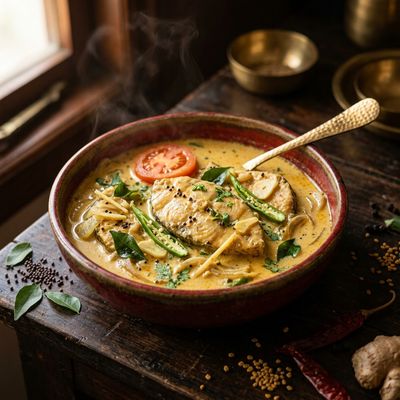
While not traditional in authentic Thai street food, many modern home kitchens use a tiny pinch of hing in Thai Red Curry to replace the pungency of shrimp paste if making a vegetarian version. Add Lemongrass and Galangal to the oil first. Once they are fragrant, add your Red Curry Paste. Just as the oil begins to separate from the paste, stir in the Asafoetida. Bloomed at this stage, it binds the citrusy notes of the herbs with the earthy chilies.
Make-Ahead Tips for the Busy Kitchen
You can make 'Hing-Infused Oil' ahead of time by gently heating a cup of neutral oil with a 1/2 teaspoon of hing and a few Black Peppercorns. Once the oil is fragrant, cool it and store it in a glass jar. This oil can be drizzled over finished stir-fries or added to salad dressings for an instant savory boost without the risk of burning the raw spice.