Guide
How to Use Curry Leaves: Techniques for Fresh, Dried, and Frozen Aromatics
Curry leaves are the soul of South Indian and Southeast Asian coastal cuisines, offering a citrusy, nutty aroma that cannot be substituted. This guide teaches you how to master the timing and temperature required to extract maximum flavor from fresh, frozen, or dried leaves.
Sourcing and Preparation: Fresh vs. Frozen vs. Dried
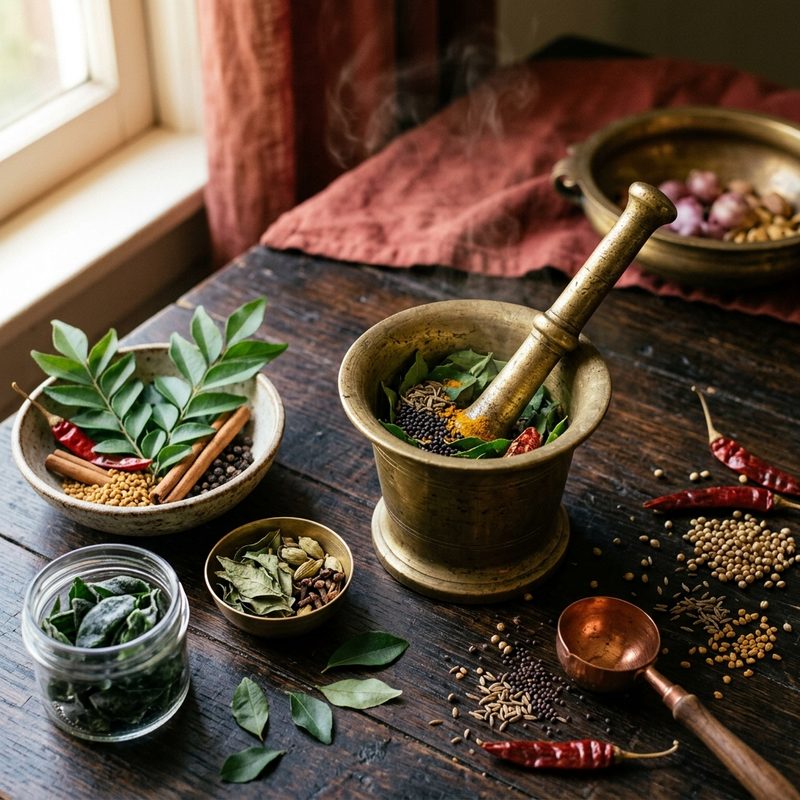
Fresh curry leaves are the gold standard; they should be bright green and firm. If you find a large supply, freeze them in an airtight bag immediately; they retain 90% of their aroma when frozen. Dried leaves are less potent and should be used in double quantities. Always wash and thoroughly dry your leaves before adding them to hot oil to prevent dangerous splattering.
The Indian Technique: Mastering the Tadka
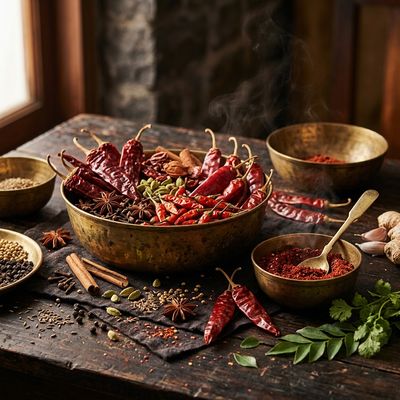
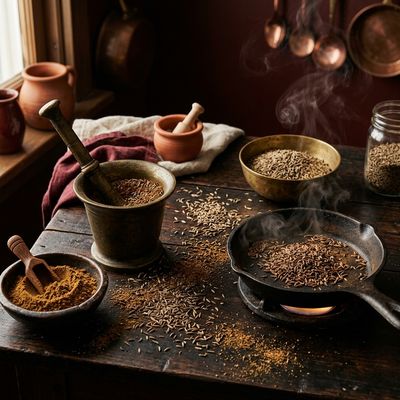
In Indian cooking, specifically for dishes like **Tadka Dal** or **Sambar**, the curry leaf is part of the 'tempering' process. Heat ghee or oil in a small pan. First, add **Black Mustard Seeds**; wait until they begin to pop. Second, add **Cumin Seeds** and **Dried Red Chilies**. Finally, toss in the curry leaves for just 5-10 seconds until they turn translucent and crisp. Pour this entire mixture—oil and spices—over the cooked dish just before serving. This ensures the volatile oils are trapped in the fat and delivered directly to the palate.
The Indo-Chinese Technique: The High-Heat Bloom
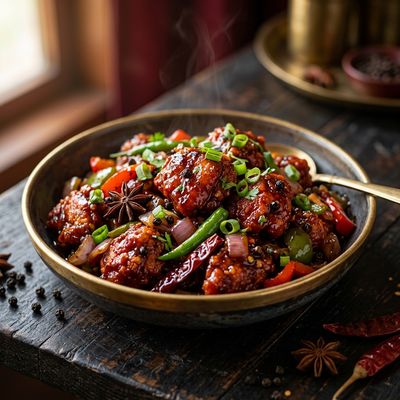
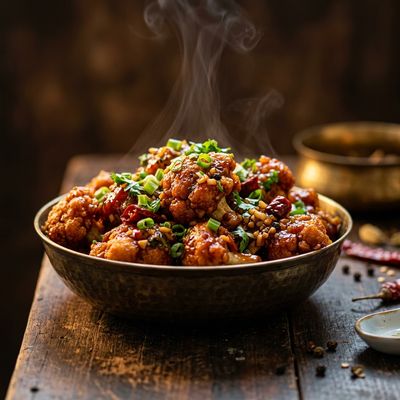
In Indian-Chinese fusion dishes like **Chicken 65** or **Chilli Paneer**, curry leaves are 'bloomed' in the aromatics phase rather than the finishing phase. Heat a wok until smoking. Add neutral oil, then **Chopped Garlic** and **Green Chilies**. Once the garlic is golden, add a handful of curry leaves. They should crackle and infuse the oil. This flavored oil then coats the protein, creating a deep, savory crust that defines the '65' style of cooking.
The Thai Technique: Infusion and Finishing
While Kaffir lime is more common in Central Thailand, Southern Thai dishes like **Kua Kling** (Dry Meat Curry) often utilize curry leaves for their earthy depth. In these dishes, the leaves are added in two stages. First, thinly sliced leaves are pounded into the **Red Curry Paste** or bloomed with the paste in coconut cream. Second, whole leaves are added at the very end as a 'finished' aromatic to provide a burst of fresh, herbal scent that cuts through the rich coconut fats.
Make-Ahead Strategies for Busy Kitchens
You can prepare a 'Universal Tadka' ahead of time by frying mustard seeds, cumin, and curry leaves in oil, then cooling and storing it in a jar for up to a week. For **Chicken 65**, the spice-marinated protein can be prepared 24 hours in advance. Fried curry leaves can also be made ahead; flash-fry them until crisp, drain on paper towels, and store in an airtight container for 3 days to use as a crunchy garnish for rice or salads.