Guide
Galangal vs Ginger: How to Use Them in Indian, Thai, and Indo-Chinese Cooking
While they belong to the same family, ginger and galangal are not interchangeable. This guide teaches you the distinct flavor profiles of each and the precise timing required to extract their maximum aromatic potential in traditional dishes.
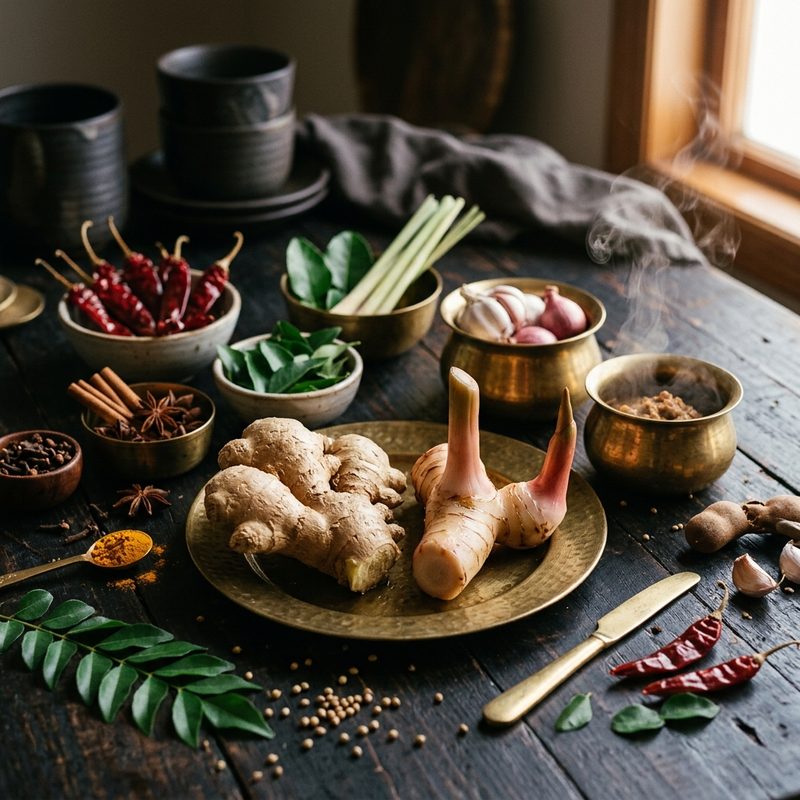
Understanding the Rhizome Profiles
Ginger (Zingiber officinale) is pungent, spicy, and slightly sweet with a soft skin that is easy to peel. Galangal (Alpinia galanga), often called 'Thai Ginger,' is much harder, with a woody texture and a flavor profile reminiscent of pine, citrus, and earth. You cannot substitute one for the other without fundamentally changing the dish.
Indian Cooking: The Art of Adrak in Dal Tadka
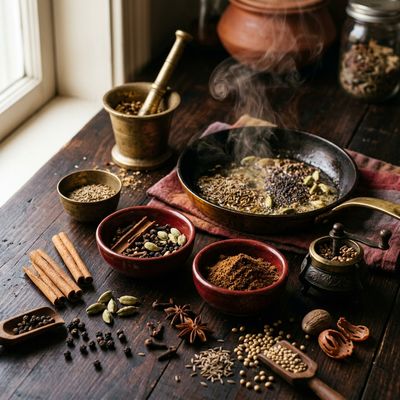
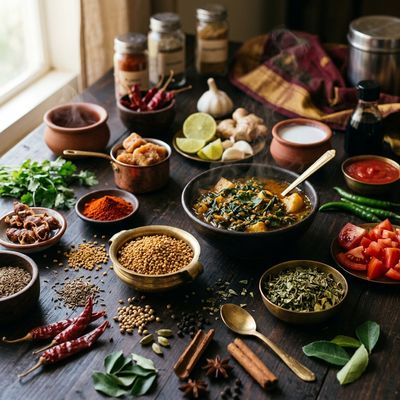
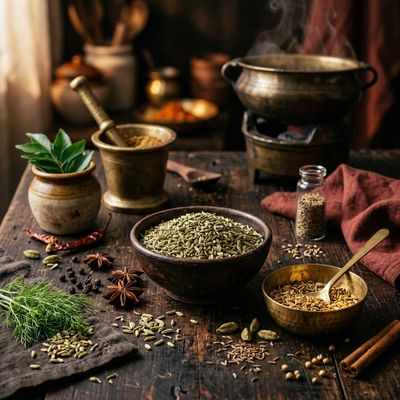
In the Indian kitchen, ginger (Adrak) is a foundation. For a classic Dal Tadka, the flavor relies on the 'Tempering' or 'Tadka' phase. You must use whole Cumin Seeds (Jeera) and Dried Red Chilies. WHEN: These whole spices go into hot ghee first to bloom. Once the cumin splutters, add finely minced ginger. The ginger is bloomed in the oil for 30-45 seconds until the raw smell vanishes but before it browns. This ensures the heat is distributed throughout the lentils.
Thai Cooking: The Fragrance of Kha in Tom Kha Gai
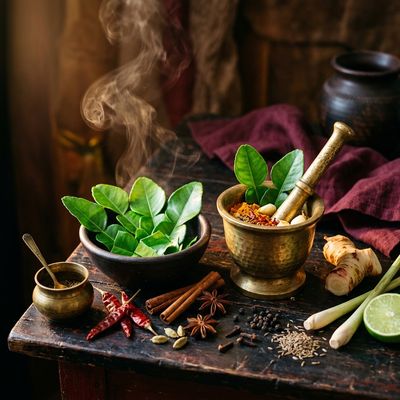
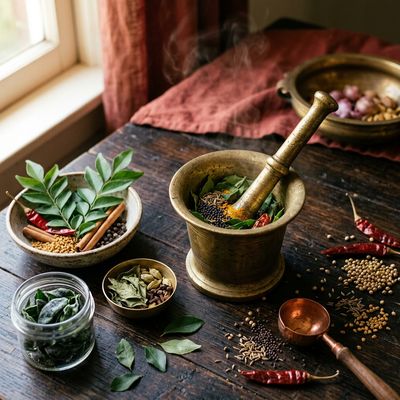
In Thai cuisine, galangal (Kha) is the star of Tom Kha Gai (Galangal Chicken Soup). Unlike ginger, galangal is rarely minced into a paste; it is sliced into thick rounds. Use whole Lemongrass (bruised) and Kaffir Lime Leaves. WHEN: These aromatics are not fried. They are added to the simmering coconut milk and broth at the beginning of the cooking process. The galangal must simmer for at least 10 minutes to release its piney essential oils. It is usually left in the bowl but not eaten.
Indian-Chinese Cooking: High-Heat Wok Aromatics
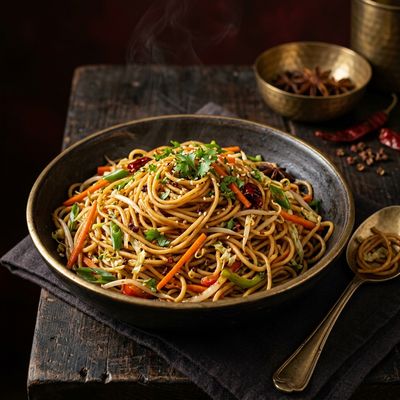
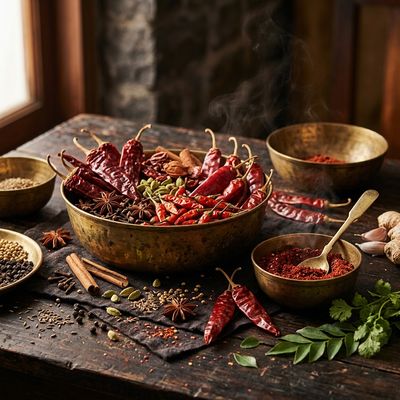
For the popular Chili Chicken, ginger provides the signature 'zing.' Use whole Dried Red Chilies and Star Anise for depth. WHEN: In Indian-Chinese cooking, the ginger is finely julienned or minced and added during the high-heat 'blooming' phase in the wok. It goes in immediately after the whole chilies and garlic, searing for only 15-20 seconds before the sauces are added. This creates the 'smoky' wok-hei flavor associated with the cuisine.
Make-Ahead Prep and Storage
For a busy home kitchen, both rhizomes can be prepared in advance. Ginger-Garlic paste (50/50 ratio) can be blended with a touch of oil and salt and stored in the fridge for up to two weeks. Galangal can be sliced into rounds and frozen in airtight bags; it actually retains its cellular structure better than ginger when frozen, making it easy to drop into soups directly from the freezer.