Guide
Star Anise: What It Is and How to Use It in the Home Kitchen
Star anise is a potent, star-shaped pod that defines the flavor profile of many Eastern cuisines. This guide teaches home cooks how to properly time the addition of this spice to unlock its sweet, licorice-like aroma in authentic dishes.
Understanding Star Anise and Its Flavor Profile
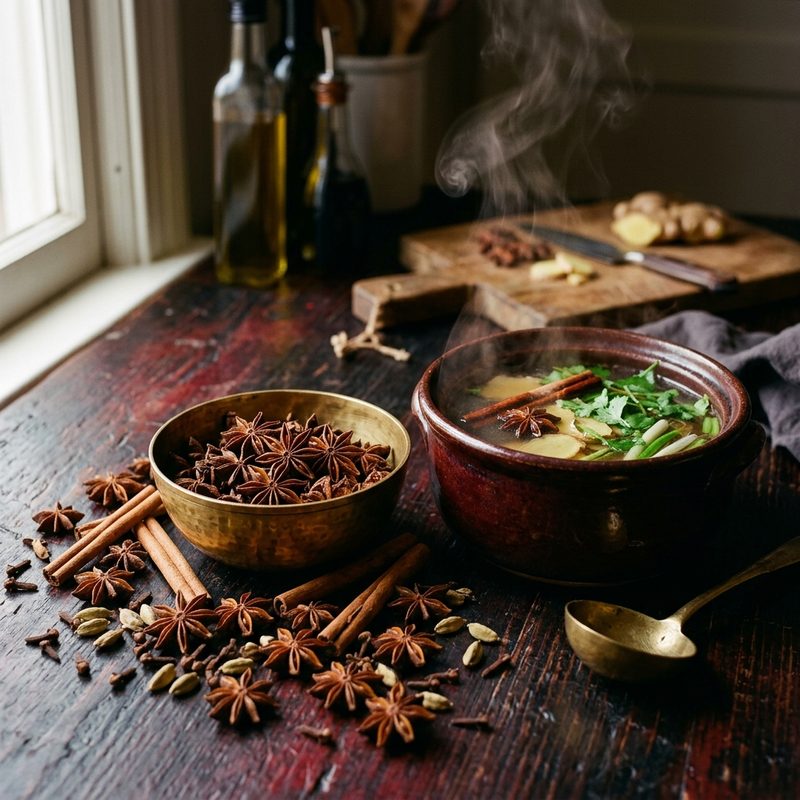
Star anise is the seed pod from the fruit of the Illicium verum plant. It contains anethole, the same compound found in anise seed and fennel, giving it a distinct licorice flavor. Unlike fennel, it has a woody, pungent depth that can easily dominate a dish if not handled correctly. In a home kitchen, you must decide whether to bloom it in fat for an aromatic base or simmer it in liquid for a slow-release infusion.
Indian Cooking: The Art of the Tadka (Tempering)
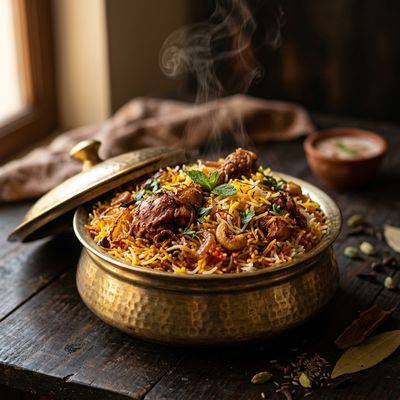
In Indian cuisine, star anise is a staple in 'Garam Masala' and rice preparations like Vegetable Biryani. For this dish, you must use the 'blooming' technique. When to add: Add one whole star anise, 4 green cardamom pods, 3 cloves, and a 2-inch cinnamon stick to hot ghee or oil at the very beginning of the process (the tempering stage). Let them sizzle for 30 seconds until fragrant before adding onions. This infuses the fat, which then coats every grain of rice. Make ahead: The fried onion (birista) and the par-boiled rice can be prepared 24 hours in advance, but the spice tempering should happen fresh for the best aroma.
Indo-Chinese Cooking: Infusing Intense Heat
Indian-Chinese (Indo-Chinese) food relies on high-heat stir-frying and pungent sauces. In Vegetable Manchow Soup, star anise provides the 'dark' undertone that balances the soy sauce and vinegar. When to add: The whole star anise goes into the oil along with minced ginger, garlic, and green chilies. This is a 'quick bloom.' It stays in the soup during the simmering process to release flavor and is usually fished out before serving. Make ahead: You can chop all the vegetables and prepare the cornstarch slurry ahead of time, but do not simmer the star anise for more than 30 minutes or the soup may become bitter.
Thai Cooking: The Depth of the Simmer
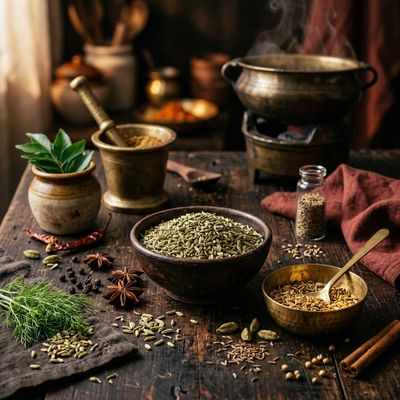
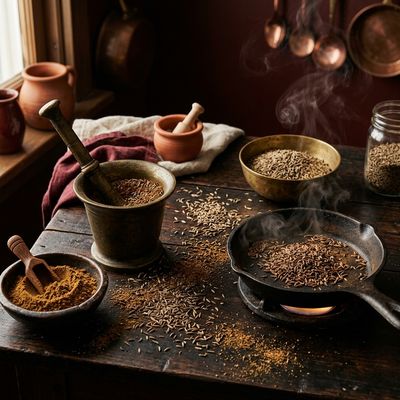
Thai cuisine uses star anise primarily in braised dishes and aromatic broths, such as Moo Palo (Five-Spice Pork Belly) or Thai Beef Noodle Soup. When to add: Unlike the Indian method of frying, here the star anise, cinnamon sticks, and coriander seeds are often toasted in a dry pan first, then added directly into the simmering liquid (the 'braising liquor'). This allows the spice to hydrate and release its oils slowly over 1 to 2 hours. Make ahead: Thai braises like Moo Palo are actually better when made a day in advance. The star anise continues to mellow and sweeten the sauce as it sits in the refrigerator overnight.