Guide
How to Prep and Use Lemongrass in Indian, Thai, and Indo-Chinese Cooking
Lemongrass is a versatile aromatic that requires specific handling to release its citrusy oils. This guide teaches you how to bruise, slice, and infuse this herb across Thai, Indian, and Indian-Chinese cuisines for maximum impact.
Step 1: Trimming and Cleaning
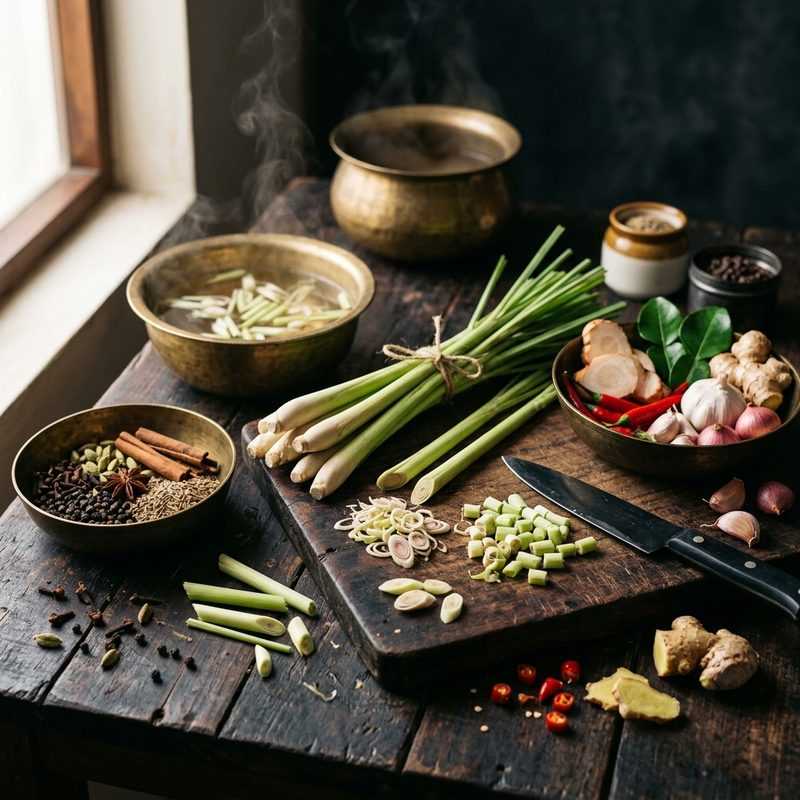
Before you bruise or slice, you must prepare the stalk. Cut off the woody bottom root and the grassy green tops (save the tops for tea). Peel away the tough, purple-tinged outer layers until you reach the pale, tender core. This core is where the essential oils are most concentrated and accessible.
Step 2: The Bruising Technique for Thai Infusions
In Thai cooking, particularly for Tom Yum Goong, lemongrass is used to infuse liquids rather than being eaten. Use the back of a chef's knife or a heavy pestle to smash the lower 4 inches of the stalk until it cracks open. This 'bruising' allows the oils to seep into the broth. For the best flavor profile, add Dried Bird's Eye Chilies and Galangal to the pot at the same time. These should be bloomed in a small amount of oil first if you want a spicy base, or added directly to the simmering broth for a cleaner finish.
Step 3: Fine Slicing for Indian-Chinese Stir-Frys
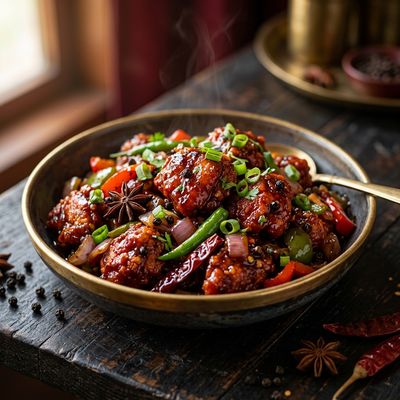
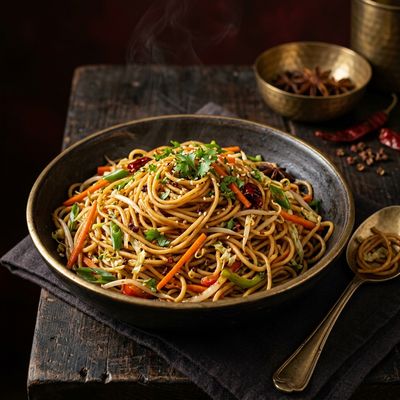
For dishes like Lemongrass Chili Chicken, the herb must be edible. After trimming, slice the tender white core into paper-thin rounds, then mince them finely. In this style of cooking, timing is everything. You must first add Star Anise and Szechuan Peppercorns to the wok, allowing them to be bloomed in hot oil for 30 seconds. Only then should you add the minced lemongrass and aromatics to prevent the lemongrass from burning while ensuring its flavor penetrates the oil.
Step 4: Tempering and Infusing in Indian Cooking
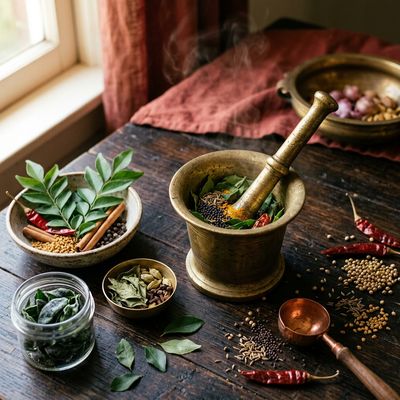
In the Indian kitchen, lemongrass is often used in Masala Chai or coastal curries like Fish Moilee. For Chai, the lemongrass should be bruised and added to the water as it comes to a boil. For curries, use the 'Tadka' or tempering method. Heat coconut oil and add Mustard Seeds and Dried Red Chilies. Once they pop, add bruised lemongrass stalks to the tempering. This allows the fat to carry the citrus notes throughout the coconut milk base. Always finish the dish with Fresh Curry Leaves at the very end to lock in the aroma.
Step 5: What to Make Ahead
Lemongrass is excellent for meal prep. You can mince the white cores and freeze them in oil-filled ice cube trays. Additionally, the base for Tom Yum or an Indo-Chinese stir-fry sauce can be made 3 days in advance and kept in the fridge, as the lemongrass flavor actually deepens and mellows over 24 hours.