Guide
Coriander Seeds vs. Coriander Leaves: A Guide to Timing and Technique
While they come from the same plant, coriander seeds and leaves offer vastly different flavor profiles. This guide explores how to use both effectively across Indian, Thai, and Indian-Chinese cuisines, focusing on the critical timing of spice application.

Indian Cooking: The Art of Tempering (Tadka)
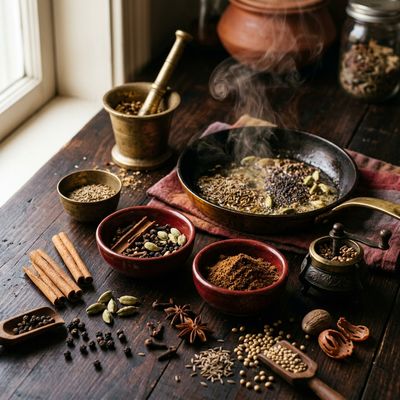
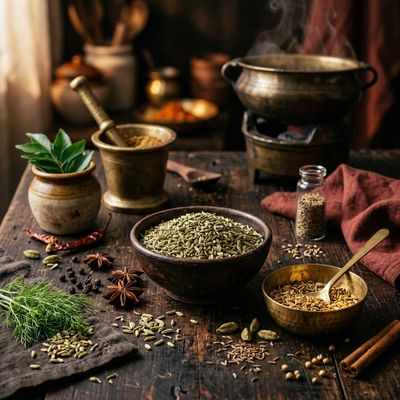
In Indian cuisine, the dried fruit of the plant is known as Sabut Dhania (whole coriander seeds). These are essential for dishes like Kadai Paneer or Aloo Dhaniya. The seeds must be 'bloomed' or tempered in hot oil at the very beginning of the cooking process. When the oil is shimmering, add the slightly crushed seeds; they should sizzle and turn a shade darker, releasing a nutty, citrusy aroma. This builds the foundational flavor of the gravy. Conversely, the fresh leaf (Dhania Patta) is highly volatile. It must be added as a finishing touch once the heat is turned off. Adding leaves too early results in a loss of their bright, soapy-fresh profile and turns them a muddy brown.
Thai Cuisine: The Power of the Root and Seed
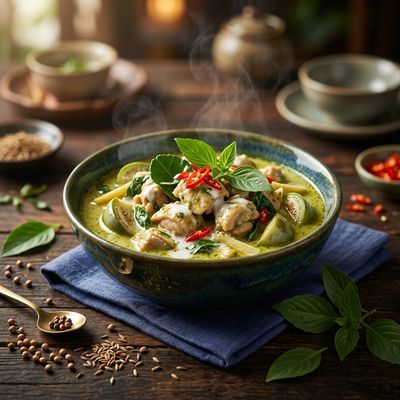
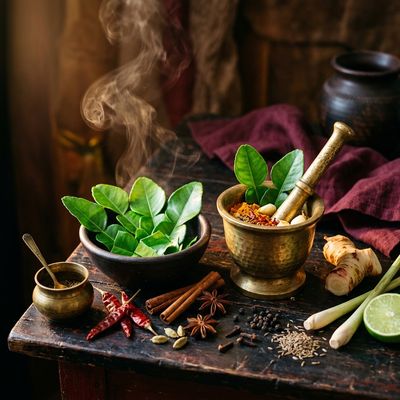
Thai cooking utilizes the entire plant, but the timing is distinct. For a classic Gaeng Keow Wan (Green Curry), whole coriander seeds are first dry-toasted in a pan until fragrant, then ground into a paste. This happens long before the stove is turned on for the main dish. Unique to Thai cooking is the use of coriander roots. These are pounded with garlic and white peppercorns to create a 'Sam Kler' (Three Buddies) paste, which is sautéed in oil to start soups and stir-fries. The fresh leaves are rarely cooked into the dish; instead, they are used as a raw garnish to provide a cooling contrast to the spice.
Indian-Chinese Fusion: Stem-Blooming and Finishing
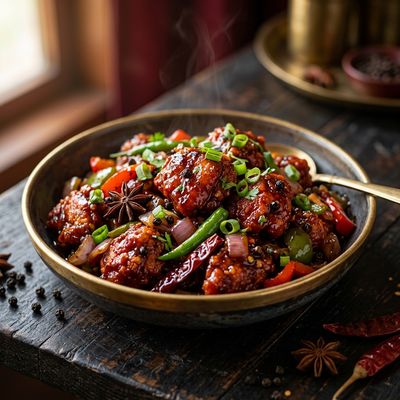
In Indian-Chinese (Hakka) cooking, such as in Coriander Lemon Soup or Chilli Garlic Noodles, a specific hybrid technique is used. Instead of seeds, the focus is on the crunchy stems and the soft leaves. The finely chopped stems are added during the high-heat stir-fry stage (blooming in oil with ginger and garlic) because they can withstand heat better than leaves and carry an intense concentration of flavor. The dish is then finished with a handful of fresh leaves at the final toss to maintain the 'Wok Hei' and herbal freshness.
Make-Ahead Strategies for the Home Kitchen
To save time, coriander seeds can be toasted and coarsely ground into a 'Kadai Masala' up to two weeks in advance if kept in an airtight jar. For Thai dishes, the curry paste (containing the ground seeds and roots) can be made three days ahead and stored in the refrigerator with a thin layer of oil on top to prevent oxidation. Fresh leaves, however, cannot be prepped far in advance; they should be washed, dried, and chopped only minutes before serving to ensure the best flavor and texture.