Guide
Fennel Seeds: A Culinary Guide to Timing and Technique across Asian Kitchens
Fennel seeds, with their sweet, anise-like profile, are a cornerstone of Asian aromatics. This guide explains the critical timing of when to add fennel seeds to unlock their full potential in traditional Indian, Chinese, and Thai dishes.
Indian Cooking: The Art of the Tadka
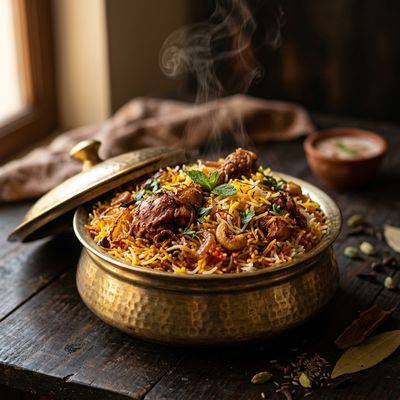
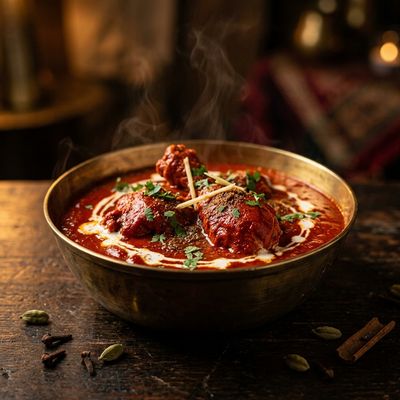
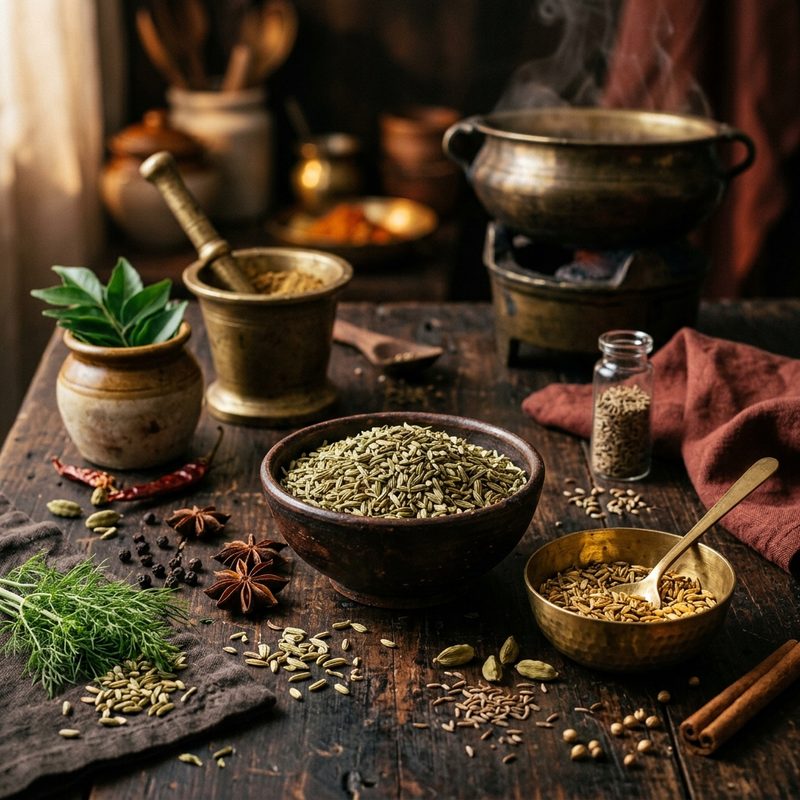
In Indian cuisine, fennel seeds (Saunf) are prized for their digestive properties and cooling flavor. In dishes like Kashmiri Rogan Josh, fennel is used alongside dry ginger. The timing is split: whole fennel seeds should be bloomed in hot oil (tempering) at the very beginning of the process. This allows the fat to carry the licorice notes throughout the meat. For a more delicate dish like Saunf Wali Bhindi (Fennel Okra), the seeds are tempered in oil first, but a secondary dusting of ground fennel is often added as a finishing spice at the end to preserve the bright, floral aroma.
Chinese Cooking: Infusing the Braise
In Chinese kitchens, fennel is one of the pillars of Five-Spice powder and is essential for Hong Shao Rou (Red Braised Pork). Unlike the rapid tempering of Indian cuisine, fennel seeds here are bloomed in oil alongside star anise, cinnamon, and ginger at a medium-low heat. This is done early, often while melting rock sugar, to create a fragrant base for the braising liquid. The seeds remain in the liquid throughout the long simmer, slowly releasing their sweetness into the fat of the pork. You can make the braising liquid up to three days ahead to let the spices deepen.
Indian-Chinese (Hakka): The Sizzling Fusion
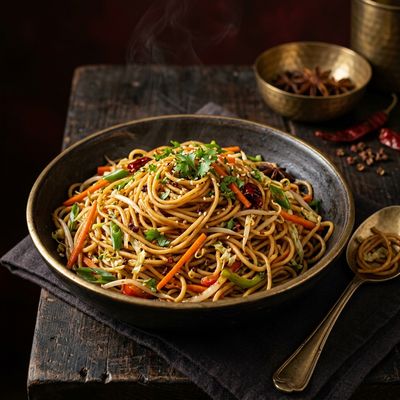
Indian-Chinese cooking, such as Chilli Chicken or Gobi Manchurian, uses a unique hybrid technique. Here, crushed fennel seeds or Five-Spice are added during the sizzling stage—after the garlic and ginger have softened but before the soy sauce and vinegar are added. This brief high-heat bloom bridges the gap between the pungent aromatics and the savory sauces. The flavored base can be prepped as a 'dry' stir-fry mix 24 hours in advance.
Thai Cooking: Toasted Aromatics in Massaman
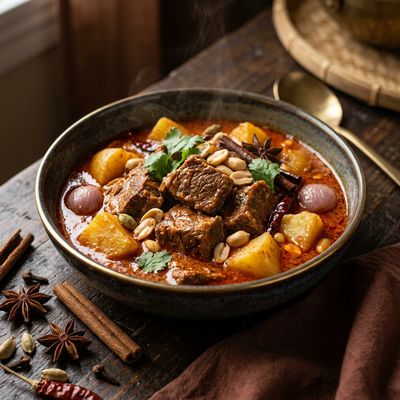
Fennel is a distinguishing feature of Massaman Curry, setting it apart from other Thai curries. To maximize flavor, whole fennel seeds must be dry-toasted in a pan until fragrant, then ground into the curry paste. When cooking the actual dish, this paste is bloomed in thick coconut cream until the oil separates. This ensures the fennel's oils are emulsified into the sauce. You can make the Massaman paste up to a week in advance or freeze it for months.