Guide
How to Use Nigella Seeds (Kalonji) in Indian, Indian-Chinese, and Thai Cooking
Nigella seeds, often called Kalonji, offer a complex profile of toasted onion, oregano, and black pepper. This guide teaches you how to master the timing of this potent spice to transform your home cooking into professional-grade dishes.
Section 1: The Foundation of Indian Tempering (Tadka)
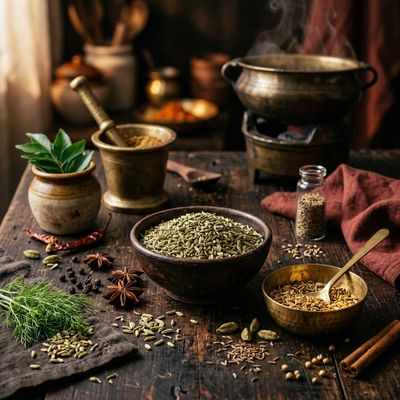
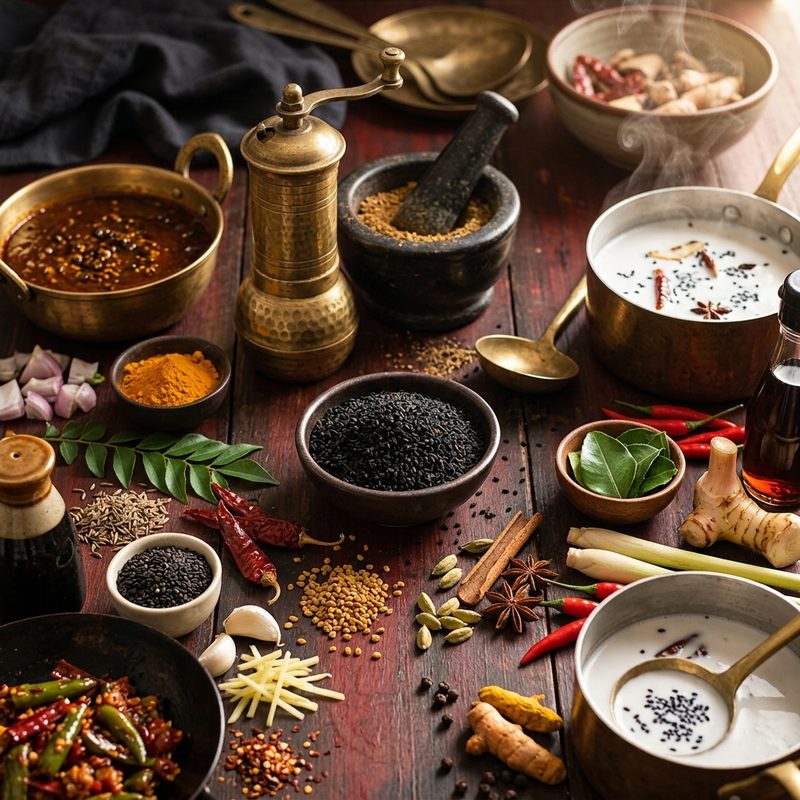
In traditional Indian cooking, Nigella seeds are a cornerstone of the 'Panch Phoron' (five-spice blend). To make Achari Chicken, you must use the tempering technique. Heat mustard oil until it reaches its smoking point, then immediately drop in the whole spices: Nigella seeds, fennel seeds, fenugreek seeds, and cumin seeds. These must be bloomed in oil at the very beginning of the process for 15-20 seconds until they sizzle and release their nutty aroma. This infused oil becomes the base for your entire gravy.
Section 2: Indian-Chinese Fusion and the Searing Method
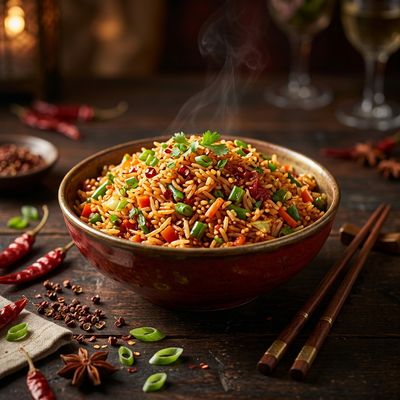
Indian-Chinese cuisine, or Hakka style, relies on high-heat stir-frying where Nigella seeds add an unexpected earthy depth. For Chili Chicken or Gobi Manchurian, the Nigella seeds should be bloomed in oil along with minced garlic and ginger before any sauces are added. The seeds provide a textural pop that contrasts with the silky soy-based glaze. Ensure the wok is smoking hot; the seeds should only hit the oil for 10 seconds before the vegetables are tossed in to prevent bitterness.
Section 3: Thai-Muslim Fusion and Finishing Touches
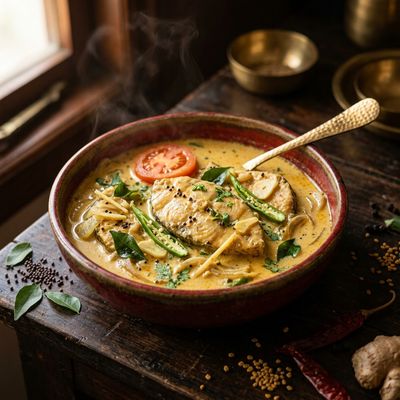
While Nigella is not a standard ingredient in Central Thai cooking, it is frequently found in Thai-Muslim fusion dishes in Southern Thailand, particularly in aromatic beef curries like Massaman variants. In this context, Nigella seeds are often finished at the end. Toasted Nigella seeds are sprinkled over the curry along with fried shallots just before serving. This preserves their distinct 'onion-skin' crunch and sharp pepper notes, which would otherwise be lost in the long-simmering coconut milk.
Section 4: Bread Toppings and Texture
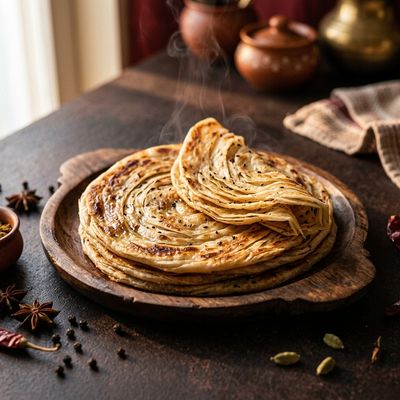
For home bakers making Naan or Kulcha, the Nigella seeds serve as a functional garnish. These are finished at the end of the preparation phase—pressed into the raw dough right before it hits the tandoor or cast-iron skillet. The intense heat of the pan toasts the seeds instantly, anchoring them to the bread and providing that classic smoky, bitter-sweet aroma associated with high-end Indian eateries.