Guide
How to Use Dried Chillies for Authentic Indian, Thai, and Indian-Chinese Flavours
Unlock the secrets of dried chillies to balance vibrant colour with targeted heat. This guide teaches you which varieties to buy and exactly when to introduce them to the pan to elevate your home cooking.
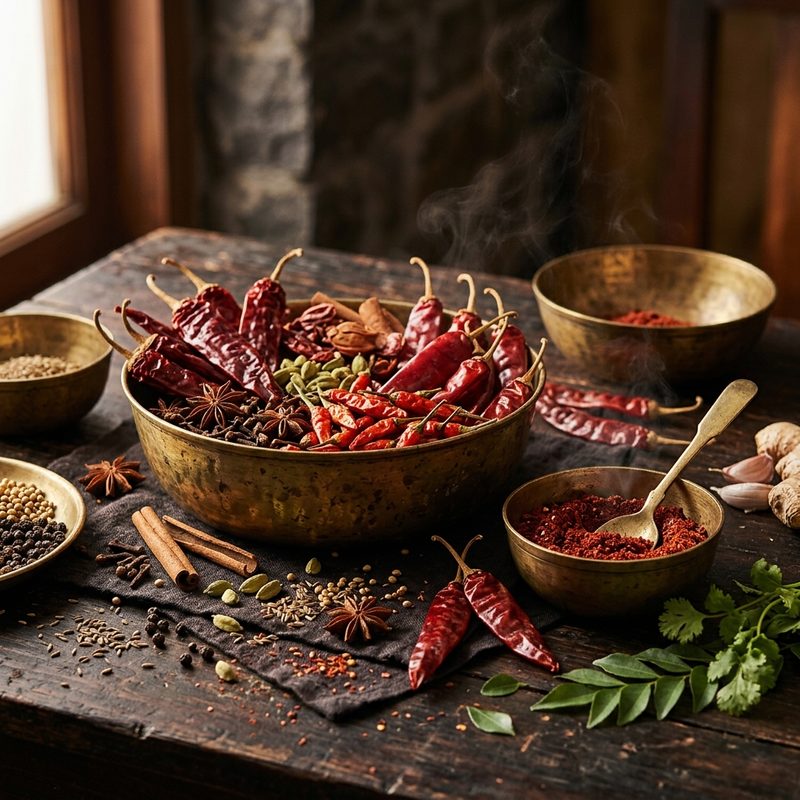
Understanding the Indian Pantry: Heat vs. Colour
In the Indian kitchen, dried chillies are used for two distinct purposes: the deep red hue and the sharp, stinging bite. For colour without excessive heat, buy Byadgi chillies (shrivelled and dark red). For pure heat, seek out Guntur Sannam. When making a Dal Tadka, the whole chillies are used during the tempering stage. Heat ghee, add mustard seeds and cumin, and then toss in the whole Byadgi chillies. This allows them to swell and release a smoky aroma without disintegrating. This tempering is poured over the cooked lentils at the very end to preserve the chilli's crispness.
The Indo-Chinese Bloom: Building the Sauce
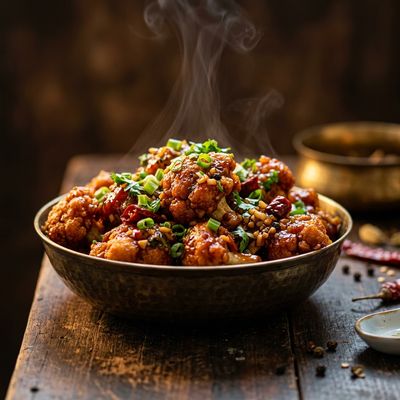
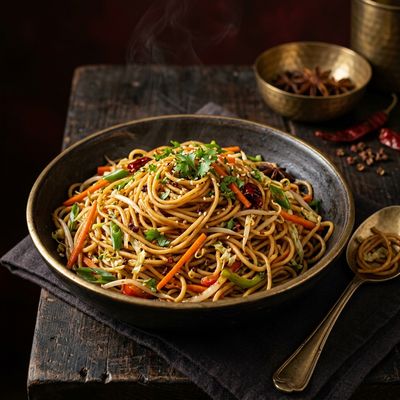
Indian-Chinese cooking (Hakka style) relies on a specific vibrancy found in dishes like Schezwan Sauce or Chilli Chicken. Here, you should use Kashmiri chillies. To extract their pigment, they are often soaked, pasted, and then bloomed in oil at the very beginning of the stir-fry. After the ginger and garlic have softened, the chilli paste or chopped dried chillies go into the hot oil. This 'blooming' process stabilises the colour and creates the signature red oil that coats the proteins. The Schezwan sauce can be made ahead in large batches and stored in the fridge for up to two weeks.
Thai Precision: Pounding and Frying
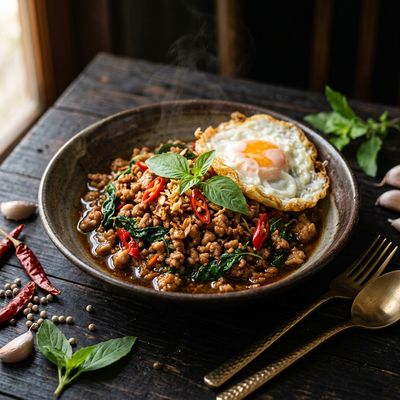
Thai cuisine uses dried chillies to provide a base heat that fresh chillies cannot replicate. For Phat Kaphrao (Basil Stir-fry), dried Prik Haeng (Bird's Eye) are often pounded into a paste with garlic and then bloomed in oil at the start to create a spicy foundation. Conversely, for dishes like Nam Prik Pao (Chilli Jam), whole dried spur chillies are deep-fried until dark and brittle—finished at the end of the prep stage—before being ground into the jam. This jam is an excellent make-ahead component that keeps for months and adds instant depth to soups and stir-fries.
The Importance of Timing
The ordering of spice introduction is the 'make or break' of these dishes. If you add dried chillies too early in a dry temper, they burn and become bitter. If added too late in a wet sauce, they remain leathery and fail to release their oils. Always ensure the oil is shimmering but not smoking when blooming chillies, and always have your liquid components ready to deglaze the pan and stop the cooking process once the chillies reach a deep, toasted mahogany colour.