Guide
Fenugreek: How to Balance Bitterness in Indian, Thai, and Indian-Chinese Cooking
Fenugreek is a unique spice that offers a maple-like aroma but can quickly turn unpleasantly bitter if mishandled. This guide teaches home cooks how to time the addition of seeds and leaves to create restaurant-quality Indian, Thai, and Indian-Chinese dishes.
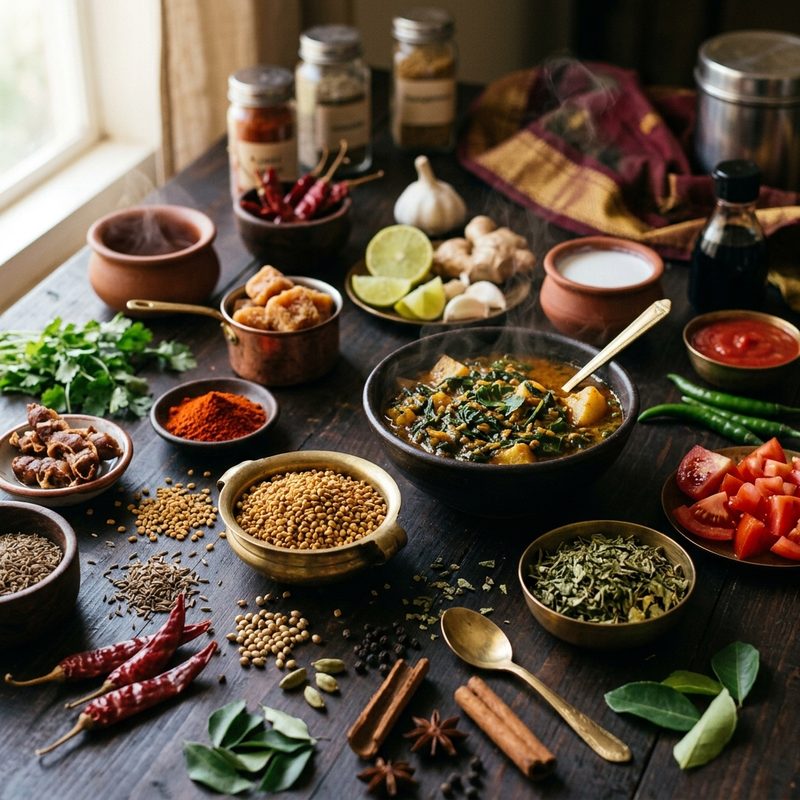
Understanding the Two Forms of Fenugreek
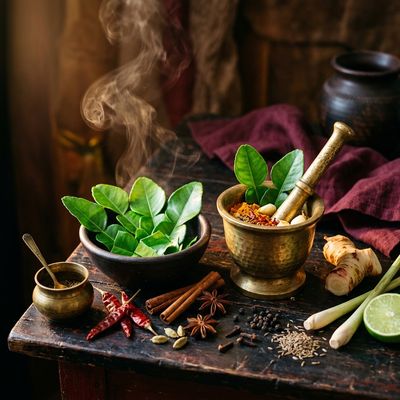
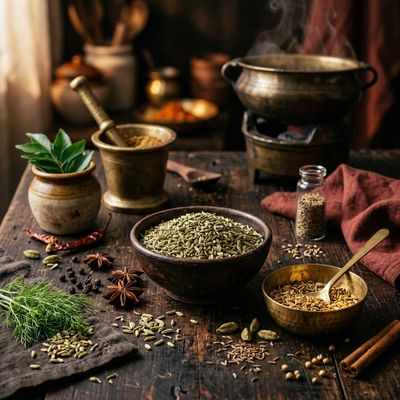
Before lighting the stove, you must distinguish between the two forms: Methi Seeds (whole spice) and Kasuri Methi (dried leaves). The seeds provide a deep, nutty base note but are intensely bitter if scorched. The leaves are used primarily for their intoxicating, buttery aroma. Both require specific timing to avoid ruining a dish.
The Indian Tempering Technique: Aloo Methi and Dhal
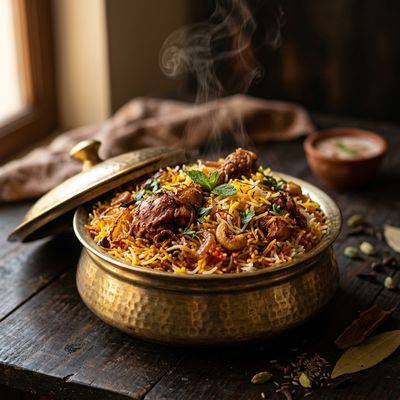
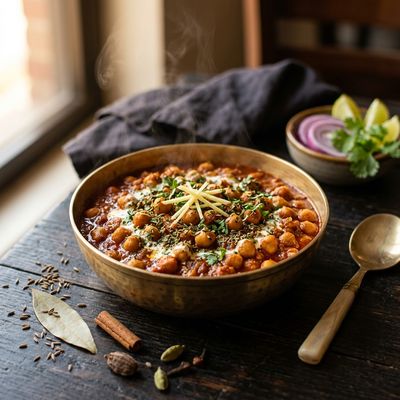
In traditional Indian cooking, such as Aloo Methi (Potato and Fenugreek) or Tarka Dhal, the whole fenugreek seeds are added during the 'tempering' or 'tadka' stage. Heat your oil or ghee first. When the oil is shimmering, add the seeds. They must be bloomed in oil for only 10-15 seconds until they turn a light golden brown. If they turn dark brown or black, they will become acrid; discard the oil and start over. The dried leaves (Kasuri Methi), however, are a finishing spice. For dishes like Butter Chicken or Paneer Butter Masala, crush the leaves between your palms and sprinkle them over the pot in the final 2 minutes of cooking to preserve their volatile oils.
The Indian-Chinese Secret: Fusion Gravies
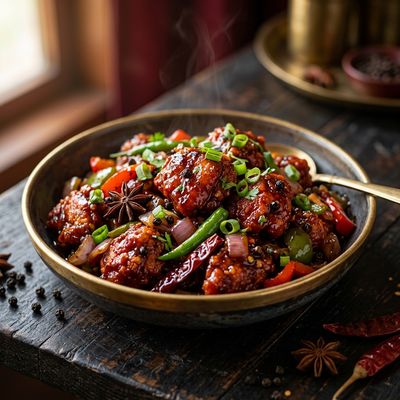
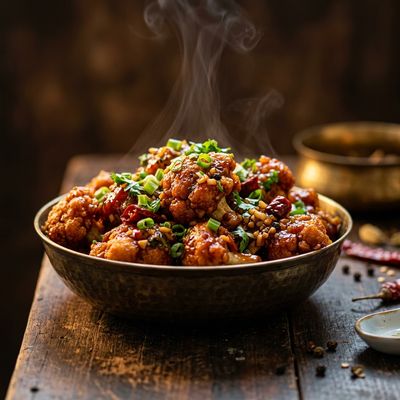
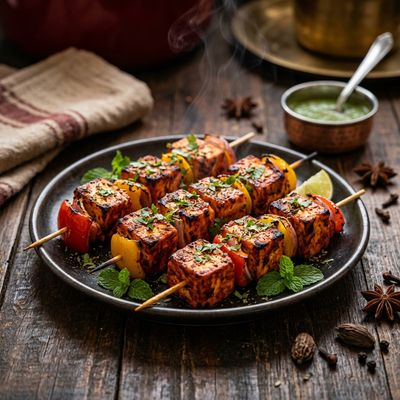
In Indian-Chinese fusion (Hakka style), particularly in Vegetable Manchurian or Chilli Paneer gravy, fenugreek plays a subtle role. While not found in authentic Cantonese cooking, the 'Indian' side of this fusion uses Kasuri Methi as a finishing touch. After the soy sauce and cornstarch slurry have thickened, a pinch of crushed dried leaves is added to give the sauce its characteristic 'Dhaba' aroma. Do not bloom seeds in Indian-Chinese cooking, as the high-heat wok frying will make them too bitter for the delicate soy-based sauces.
The Thai Connection: Yellow Curry Paste
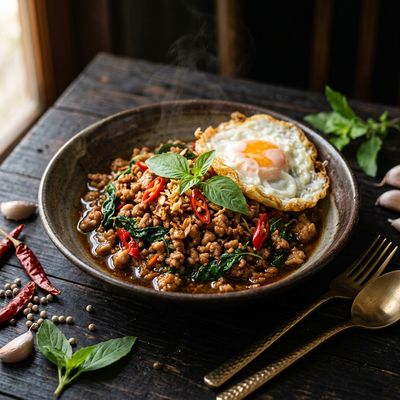
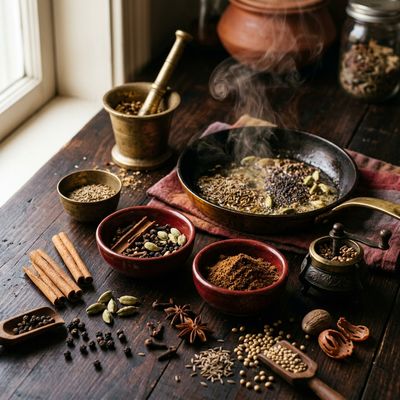
In Thai cuisine, specifically Gaeng Garee (Thai Yellow Curry), fenugreek is a core component of the spice paste. Unlike Indian cooking where seeds are kept whole, here the whole fenugreek seeds are toasted in a dry pan until fragrant, then ground into a fine powder. This powder is bloomed in coconut cream along with the other curry paste aromatics at the very beginning of the cooking process. This mellows the bitterness and allows the maple-like scent to permeate the meat and potatoes.
Make-Ahead Tips for the Home Kitchen
Fenugreek-heavy dishes are excellent for meal prep. Most Indian curries using fenugreek actually taste better the next day as the bitterness mellows into a savory richness. You can prepare the base gravy (Masala) with tempered seeds up to 3 days in advance. However, always wait to add the Kasuri Methi (leaves) until you are reheating the dish to serve; adding them too early results in a loss of fragrance.