Guide
Mastering Garam Masala: When to Temper, Bloom, and Finish Spices
Understanding the architecture of a dish depends entirely on the timing of spice additions. This guide breaks down how to use whole and ground spices in Indian, Indian-Chinese, and Thai kitchens to achieve professional-depth flavors at home.
Section 1: The Indian Foundation - Tempering vs. Finishing
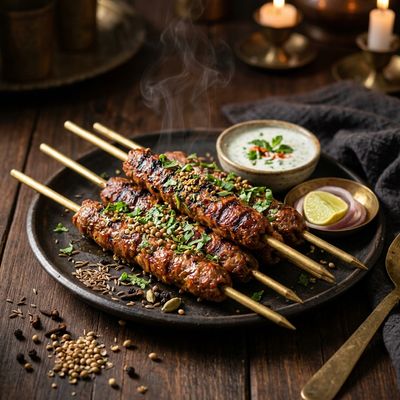
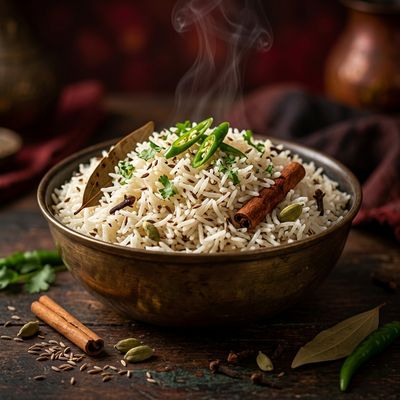
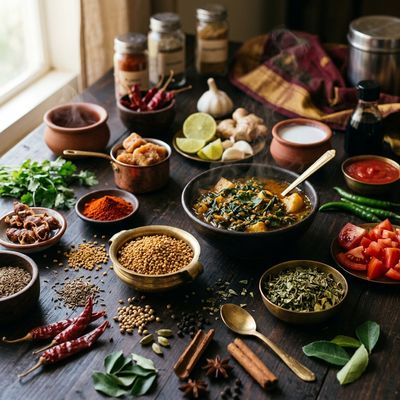
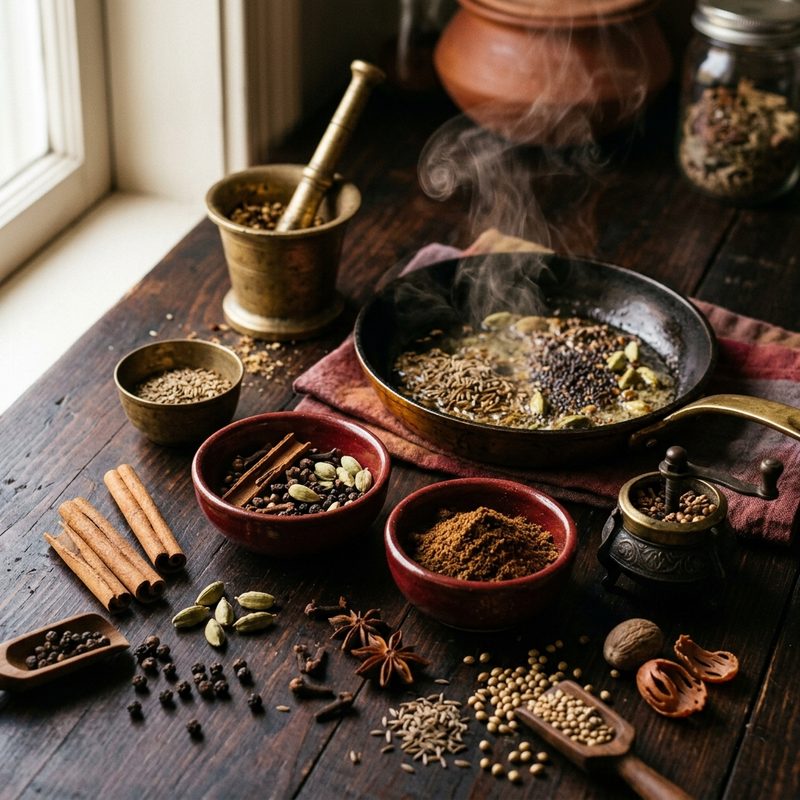
In a traditional Indian kitchen, the flavor of a dish like Murgh Makhani (Butter Chicken) or a basic Dal is built in layers. The first layer is Tadka or tempering. You must add whole spices like Green Cardamom pods, Cinnamon sticks, and Cloves to hot ghee or oil at the very beginning. These spices are tempered; the heat extracts their fat-soluble essential oils, flavoring the entire base of the dish. Conversely, the Garam Masala powder—which usually contains ground black cardamom, mace, and nutmeg—should be added as a finish at the very end. Adding it too early causes the delicate, volatile aromas to evaporate, leaving the dish tasting flat.
Section 2: Indian-Chinese Fusion - The Art of Blooming
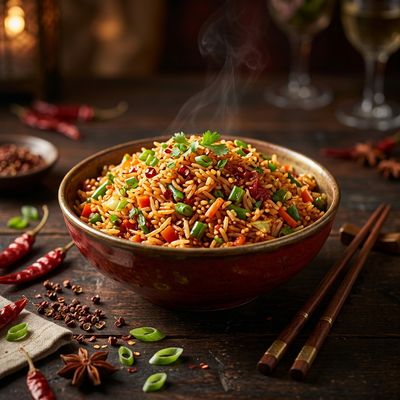
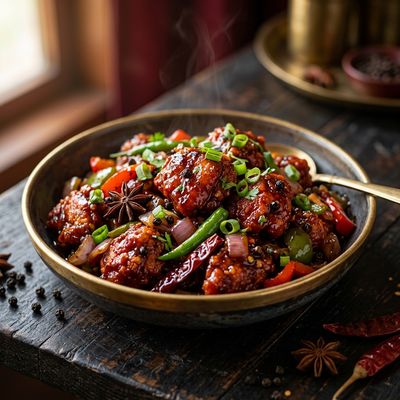
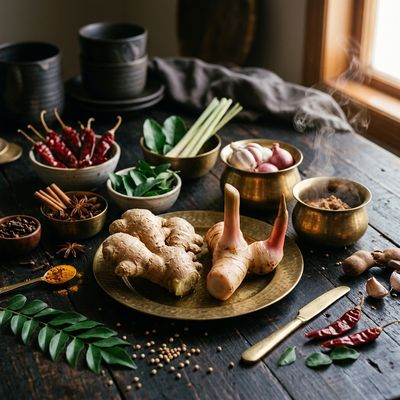
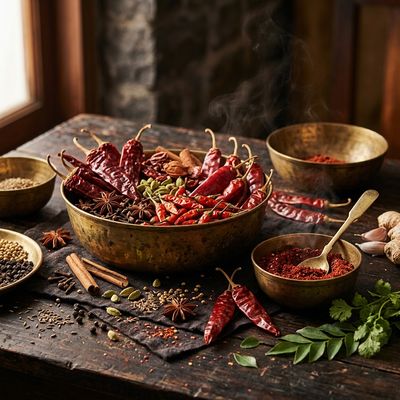
Indian-Chinese cuisine, famous for dishes like Gobi Manchurian or Chilli Chicken, relies on a technique called blooming. Unlike the long tempering of Indian stews, blooming is a rapid high-heat process. You add Star Anise and Dried Red Chillies to smoking-hot vegetable oil for only 10 to 20 seconds. You are looking for the chillies to darken slightly and the star anise to become fragrant. This infused oil then coats the aromatics (garlic and ginger), creating that signature smoky, spicy depth that defines the fusion style.
Section 3: Thai Aromatics - Toasting and Pounding
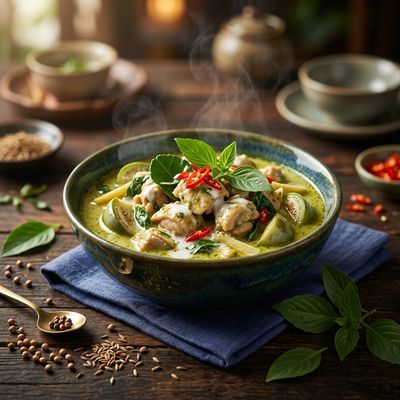
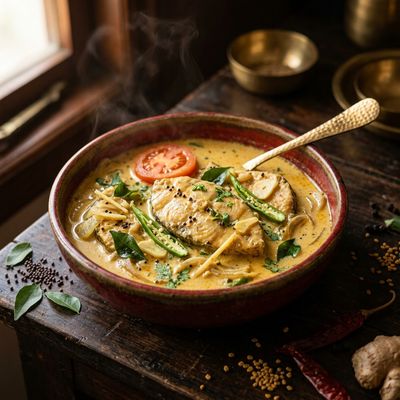
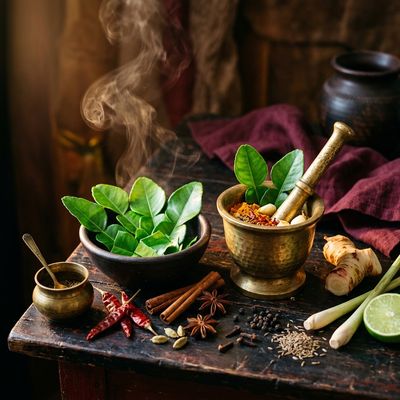
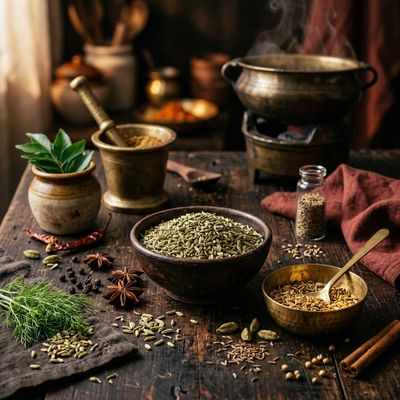
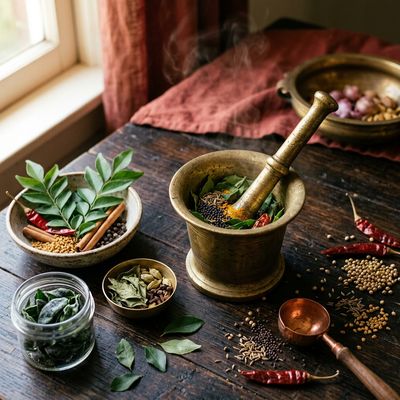
In Thai cooking, specifically for a Gaeng Keow Wan (Green Curry), spices are handled with a focus on 'fresh' versus 'dried' synergy. Before the paste is even made, whole Cumin seeds and Coriander seeds are dry-toasted in a pan until they dance and smell nutty. These are then pounded into a paste. The blooming happens later: the paste is fried in thick coconut cream until the oil separates (cracks). However, whole Kaffir Lime leaves and Thai Basil are added as finishing touches to maintain their bright, citrusy profile.
Section 4: What to Make Ahead
Efficiency in a home kitchen comes from preparation. You can toast and grind your own Garam Masala blend up to two weeks in advance—just ensure it is stored in an airtight glass jar away from light. Similarly, Thai Curry Pastes can be made in large batches and frozen in ice cube trays for up to three months. However, the 'tempering' spices (the whole cinnamon and cardamom) should always be added fresh to the oil to ensure the fat is properly infused for that specific meal.