Guide
How to Use Kaffir Lime Leaves in Thai, Indian, and Fusion Cooking
Kaffir lime leaves, also known as Makrut lime leaves, are a powerhouse of citrus fragrance that can transform a simple meal into a restaurant-quality dish. This guide explores how to integrate these aromatic leaves into Thai, Indian, and Indian-Chinese cuisines using professional timing techniques.
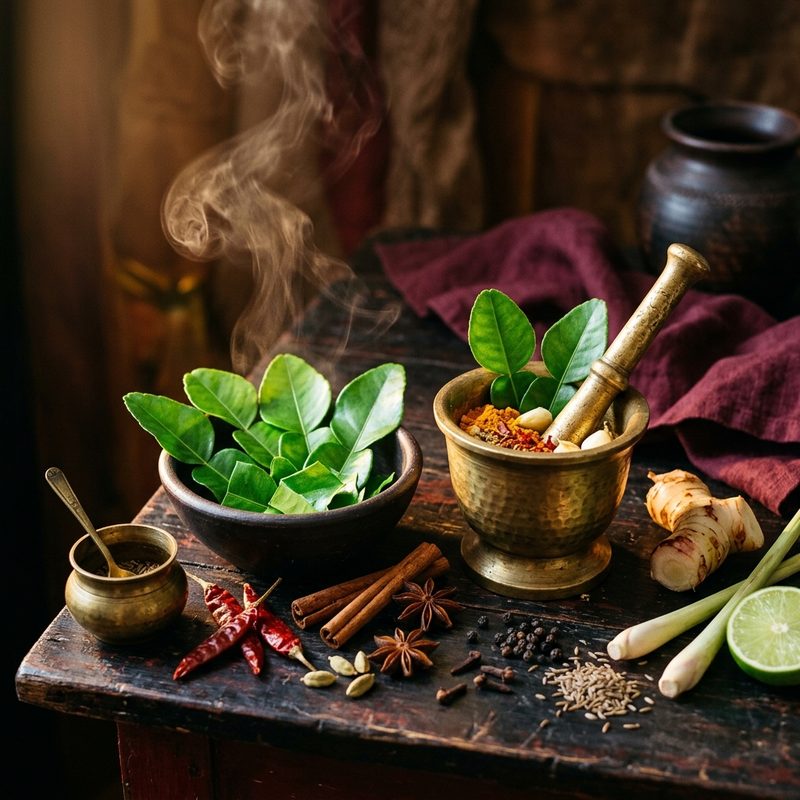
Preparation: The Stem Removal
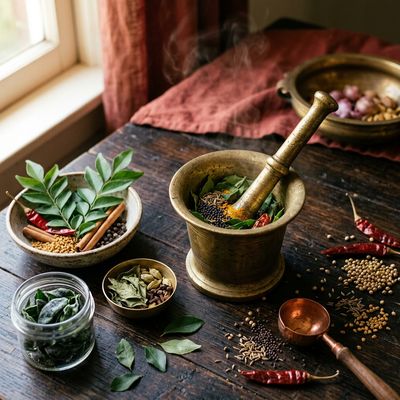
Before using the leaves, always wash them and remove the central tough rib. Fold the leaf in half and pull the stem away from the leafy parts. For Thai curries or Indian-Chinese stir-frys, stack the halves and slice them into paper-thin ribbons (julienne). For soups and dals, you can leave them whole but bruised to release oils.
Thai Cooking: The Blooming Technique
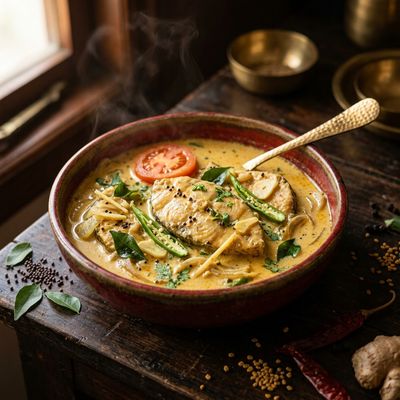
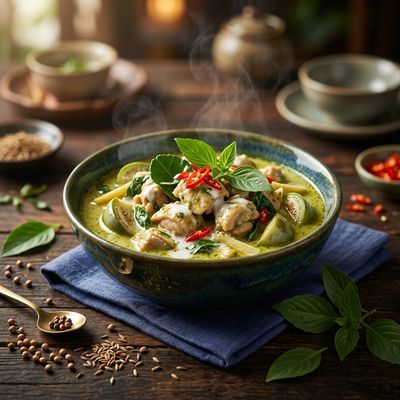
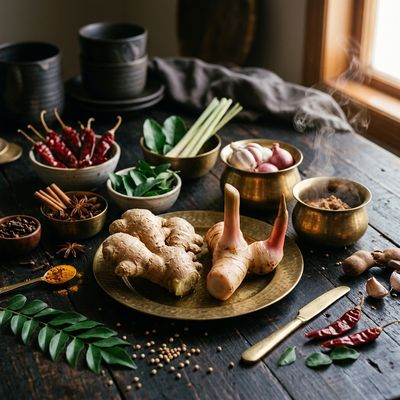
In Thai cuisine, kaffir lime leaves are essential for Tom Yum Goong (Hot and Sour Prawn Soup) and Gaeng Keow Wan (Thai Green Curry). For Tom Yum, add the bruised leaves along with whole galangal slices and lemongrass stalks directly into the simmering broth. For Green Curry, the leaves should be 'bloomed' in coconut cream or oil alongside the curry paste. This heat-extraction method ensures the citrus oils permeate the entire fat base of the dish. Make Ahead Tip: Thai curry pastes can be made and frozen with minced lime leaves already incorporated.
Indian Cooking: The Tempering Technique
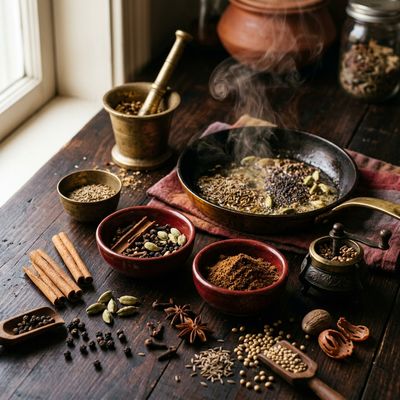
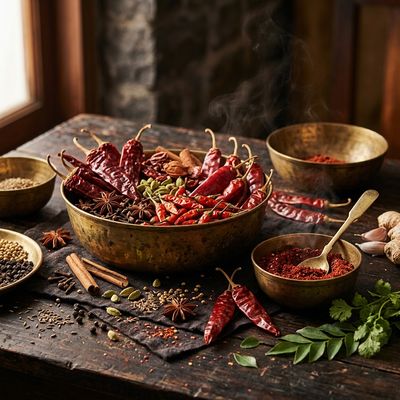
In Indian home kitchens, kaffir lime leaves are a stunning substitute or addition to traditional curry leaves, particularly in Lebu Dal (Lemon-scented Lentils) or Kaffir Lime Jeera Rice. For the Dal, perform a 'Tadka' (tempering). Heat ghee or oil, add whole dried red chilies and mustard seeds. Once the seeds crackle, throw in the torn lime leaves for just 5 seconds before pouring the hot oil over the cooked lentils. This 'tempering' seals the aroma into the oil. Make Ahead Tip: The Dal can be cooked in advance, but the tempering should be done right before serving for maximum fragrance.
Indian-Chinese Fusion: The Finishing Technique
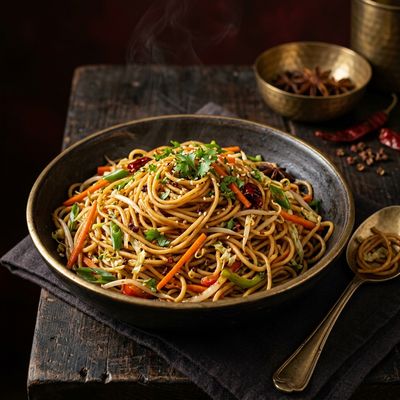
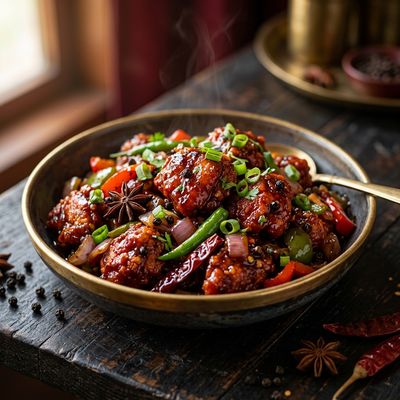
Indian-Chinese cuisine, or Hakka style, relies on high-heat stir-frying. In Chilli Garlic Kaffir Lime Noodles, the leaves are used as a finisher. Start by blooming star anise and minced garlic in the wok, but wait until the very end to add the julienned lime leaves. Toss them into the noodles for only 30 seconds before removing from heat. This preserves the bright green color and prevents the leaves from becoming bitter. Make Ahead Tip: You can julienne the leaves and keep them in a damp paper towel in the fridge for up to 4 hours.