Guide
Cumin Mastery: Using Whole, Ground, and Toasted Seeds in Your Kitchen
Cumin is a cornerstone of global spice cabinets, but its flavor profile changes dramatically depending on how it is prepared and when it is added to the pan. This guide teaches home cooks how to navigate whole, ground, and toasted cumin across three distinct culinary traditions.
Section 1: The Indian Kitchen - The Power of the Tadka
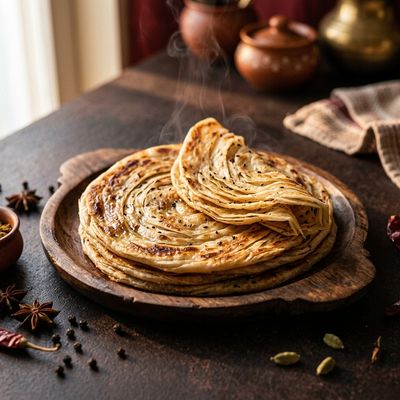
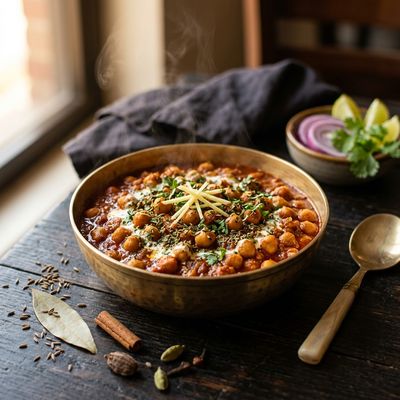
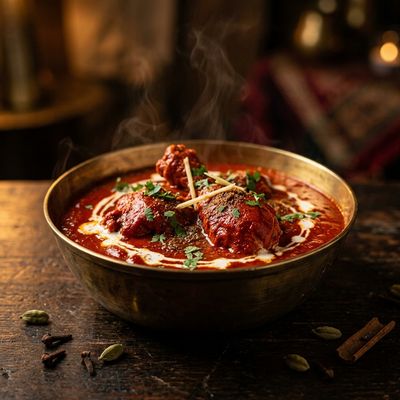
In Indian cuisine, cumin (Jeera) is most often used as a whole spice in a technique called tempering or 'Tadka'. To make Jeera Rice, whole cumin seeds must be added to hot oil or ghee at the very beginning. When they sizzle and turn a shade darker—this is called blooming—the rice is added. For Dal Tadka, the tempering can happen both at the start and as a finishing touch; the latter involves frying whole cumin and dried chilies in ghee and pouring the hot, aromatic oil over the cooked lentils just before serving to preserve the volatile oils.
Section 2: Indo-Chinese Fusion - Blooming and Stir-Frying
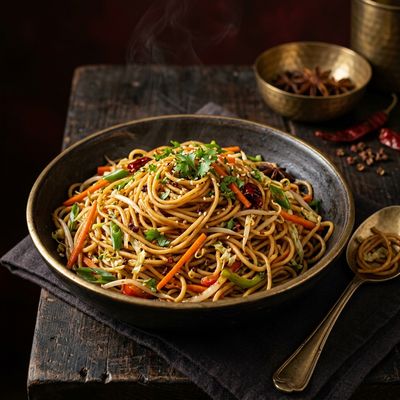
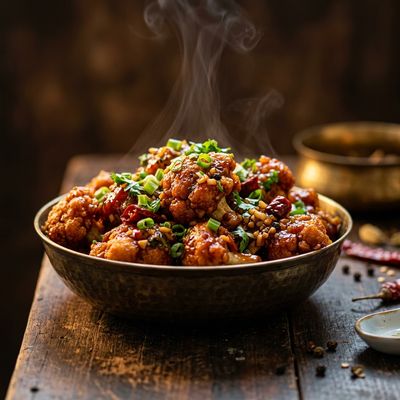
Indian-Chinese (Indo-Chinese) cooking utilizes cumin to bridge the gap between earthy subcontinental flavors and high-heat stir-frying. In dishes like Cumin Lamb (a popular street-style stir-fry), ground cumin is often used alongside whole seeds. The whole seeds are bloomed in the wok oil before the meat is added to infuse the fat, while ground cumin is added mid-way through the stir-fry to coat the protein. This ensures a deep, toasted flavor that stands up to soy sauce and vinegar.
Section 3: Thai Aromatics - Toasting for Pastes
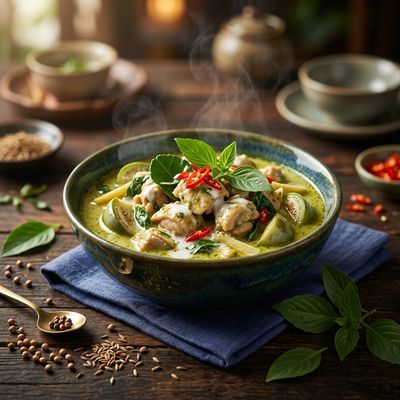
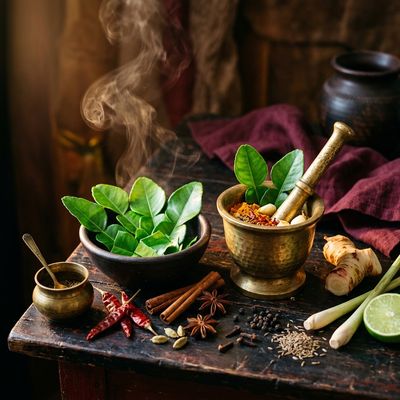
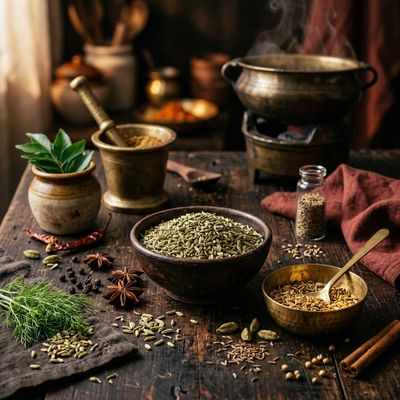
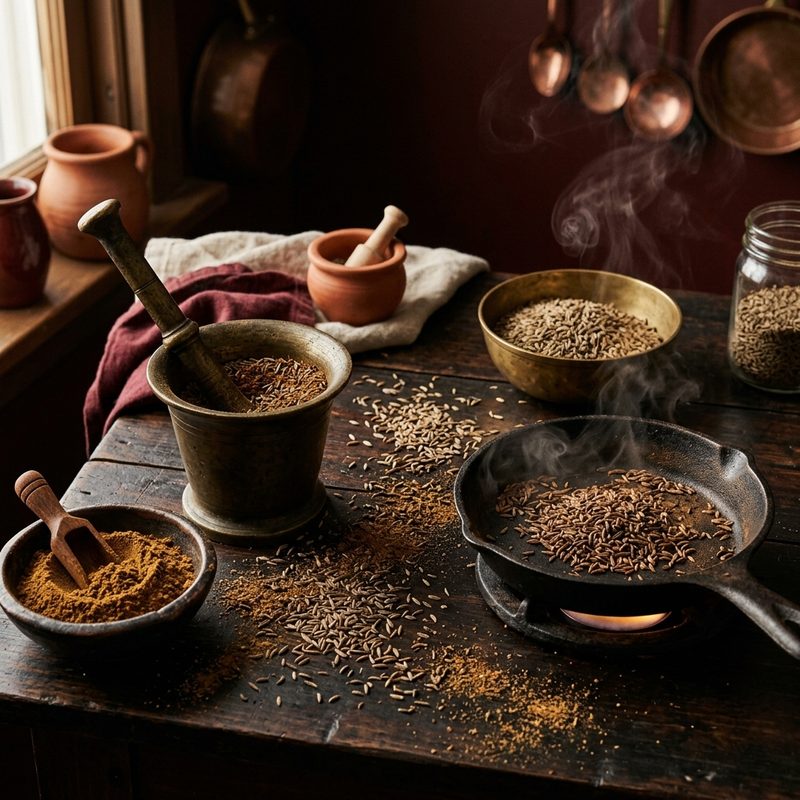
In Thai cooking, cumin seeds (Med Yi-ra) are almost always toasted in a dry pan before being pulverized. This is a crucial step for Gaeng Keow Wan (Green Curry) and Gaeng Massaman (Massaman Curry) pastes. The seeds are toasted until fragrant and then pounded in a mortar and pestle. Unlike Indian cooking, where the whole seed is often left in the dish, Thai techniques favor incorporating the toasted, ground essence into a complex paste at the very beginning of the cooking process, where it is 'fried' until the oil separates.
Section 4: The Finishing Touch - Roasted Cumin Powder
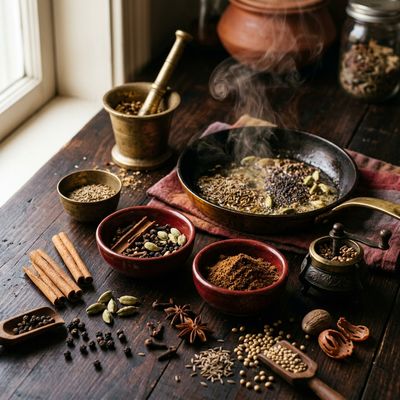
One of the most versatile tools in a home kitchen is Bhuna Jeera (Roasted Cumin Powder). This is made by dry-toasting whole seeds until they are dark brown (but not burnt) and grinding them into a coarse powder. This is used strictly as a finishing spice. It is sprinkled over Raita (yogurt dip) or Papdi Chaat at the very end. Adding this at the start would make the dish bitter; its purpose is to provide a smoky, nutty aroma that hits the palate immediately.