Guide
How to Use Cloves in Indian, Indo-Chinese, and Thai Cooking
Cloves are one of the most potent spices in the pantry, capable of transforming a dish or completely overpowering it with their intense eugenol content. This guide explores the precise timing and techniques required to balance their medicinal warmth across three distinct Asian culinary traditions.
Understanding the Power of Cloves
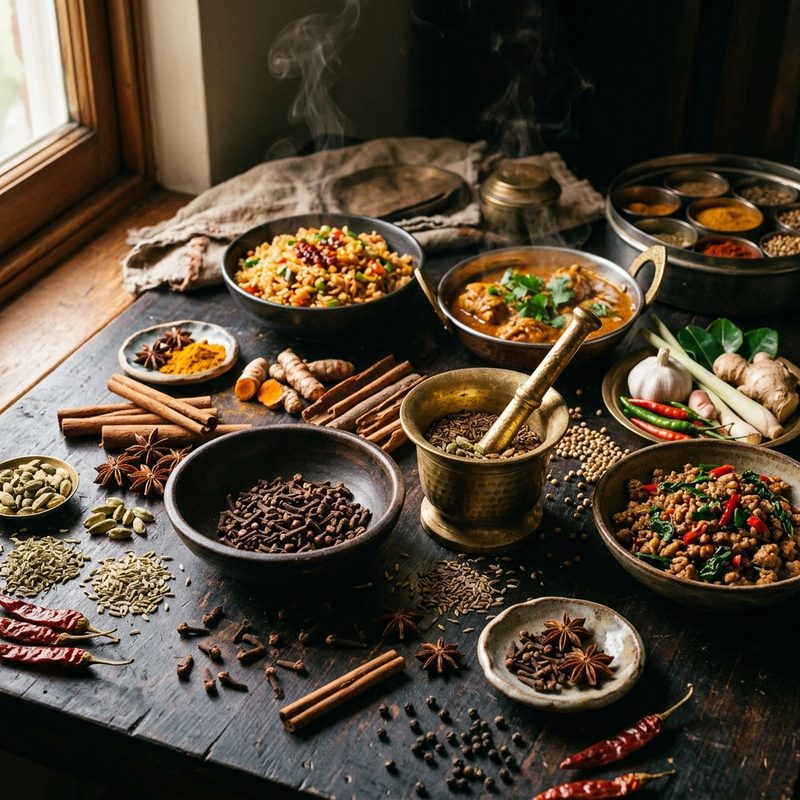
Cloves are the dried flower buds of the Syzygium aromaticum tree and contain a high concentration of eugenol. In the home kitchen, the golden rule is 'less is more.' A single clove can flavor an entire pot of rice, while three or four can define a complex curry. Because their flavor is oil-soluble, the timing of when you add them determines whether they provide a subtle background hum or a sharp, numbing foreground note.
Technique 1: Indian Tempering (Tadka/Tarka)
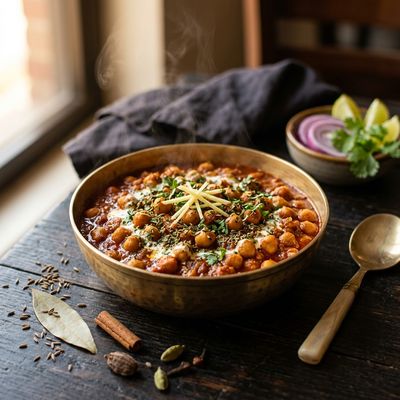
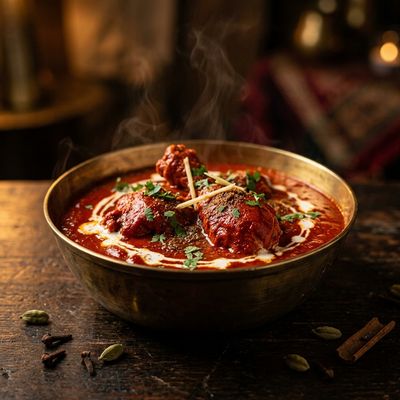
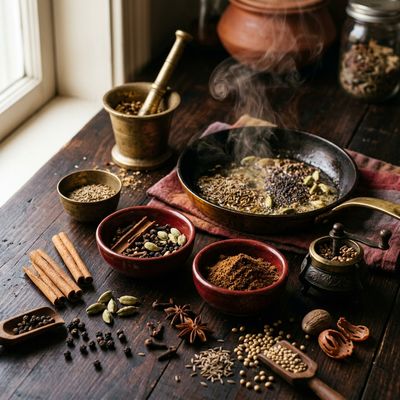
In Indian cuisine, cloves are almost always used as part of the 'Khada Masala' (whole spices). For a classic Basmati Pilau or a Mutton Curry, the cloves must be added during the tempering stage. Heat ghee or oil in your pan, then add 3-4 whole cloves along with green cardamom pods and a cinnamon stick. These should be bloomed in oil at the very beginning of the process. You will know they are ready when the cloves swell and become plump. This technique infuses the fat with a sweet, woody aroma that carries through the entire cooking process. For a 'make ahead' option, you can infuse ghee with these whole spices, strain it, and store it for up to a month.
Technique 2: Thai Massaman Infusions
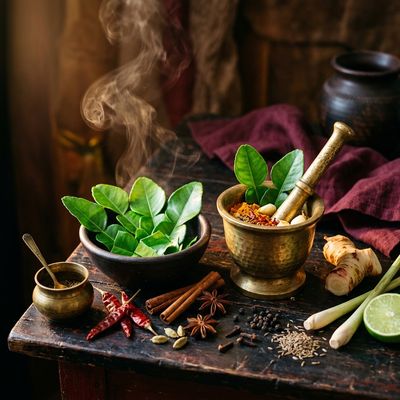
Unlike many Thai curries that focus on fresh herbs, Massaman Curry relies on dried spices. Here, cloves are usually toasted dry in a pan first, then ground into the paste. However, for a more nuanced home-style version, whole cloves are added during the simmering stage. After the coconut cream has split and the paste is fried, add 2 whole cloves to the liquid. This allows the spice to release its oils slowly as the beef or potatoes tenderize. The curry base can be made 48 hours ahead, as the clove flavor actually mellows and integrates better after a night in the refrigerator.
Technique 3: Indian-Chinese (Indo-Chinese) Searing
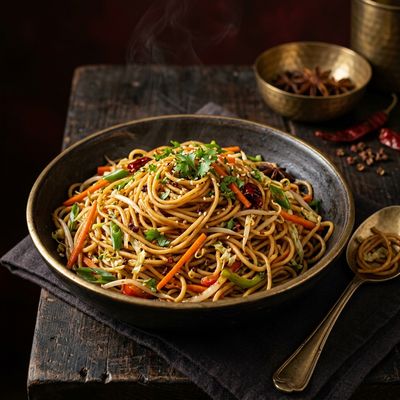
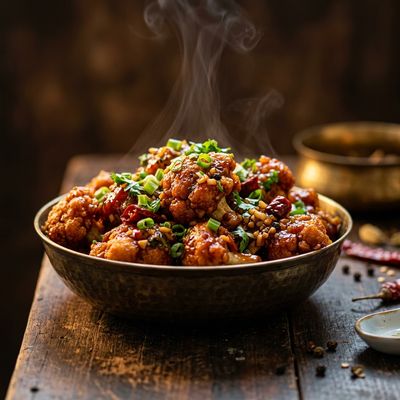
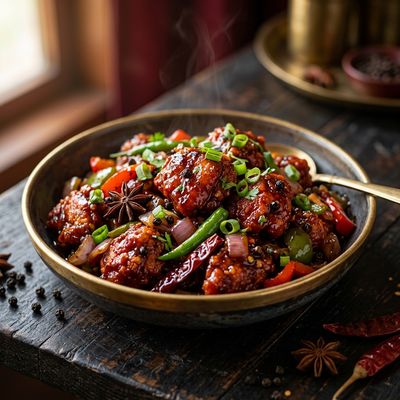
In the fusion world of Indo-Chinese cooking, cloves are used to bridge the gap between soy-based sauces and aromatic spices. In a Chicken Manchurian gravy or a spicy Manchow Soup, cloves are bloomed in oil alongside minced ginger and green chilies. The high heat of the wok flash-fries the clove, releasing a smoky sweetness that pairs perfectly with the acidity of vinegar and the salt of soy sauce. Because this is fast-paced cooking, the cloves go in just after the oil reaches the smoking point but before the wet ingredients are added. The spice-infused oil base for soups can be prepared ahead of time to save prep work during a busy dinner service.
Technique 4: Finishing with Garam Masala
If you find a dish lacks depth at the end, cloves are occasionally added as part of a finishing powder. In North Indian cooking, a pinch of freshly ground Garam Masala (which contains cloves) is sprinkled over the dish at the very end, just before the lid is placed on for the 'Dum' (steaming) phase. This preserves the volatile oils that would otherwise evaporate during long boiling. Do not let the dish boil vigorously after adding ground cloves at the end, or it may turn bitter.