Guide
How to Use Tamarind in Indian, Thai, and Indian-Chinese Cooking
Tamarind is the backbone of acidity in many Eastern cuisines, offering a complex, fruity sourness that vinegar cannot replicate. This guide explores the different forms of tamarind and provides specific techniques for layering spices in home-cooked Indian, Thai, and Indian-Chinese dishes.
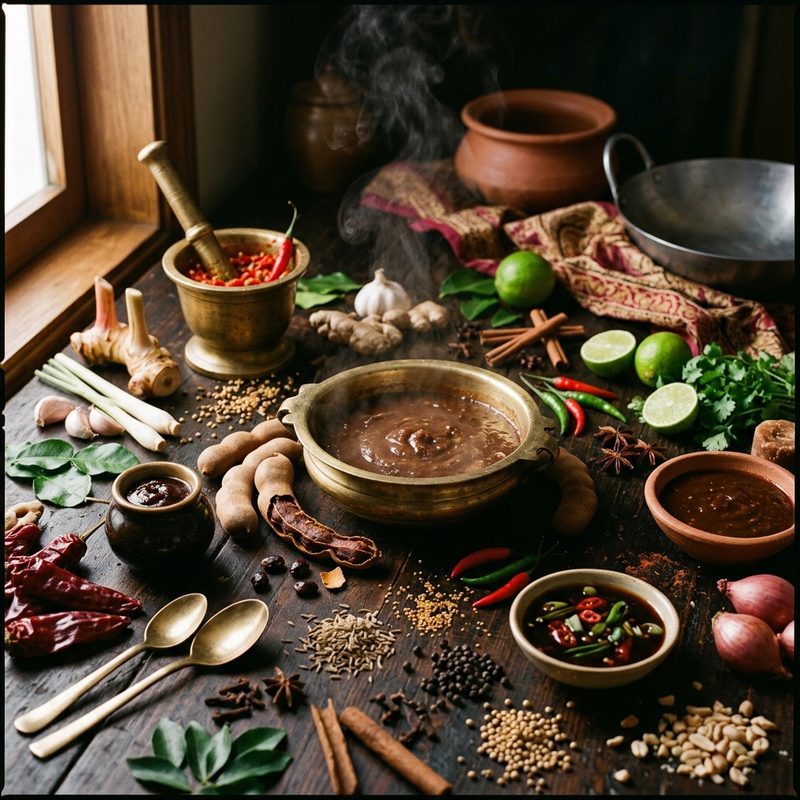
Understanding the Three Forms of Tamarind
Before cooking, identify your tamarind. The Tamarind Block contains pulp, fibers, and seeds; it requires soaking in hot water for 15 minutes and straining to create 'tamarind water.' Tamarind Paste (often in jars) is pre-strained and ready to use, though less intense. Tamarind Concentrate is a thick, dark, processed extract that is highly acidic; use only a teaspoon for every tablespoon of paste called for in a recipe.
South Indian Technique: The Tempering Logic
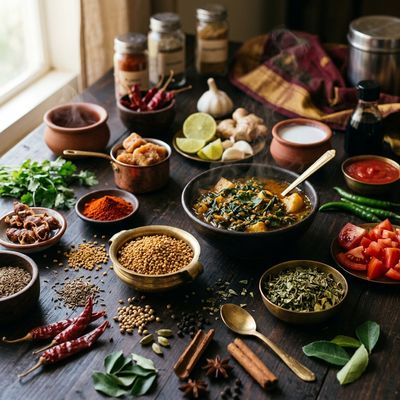
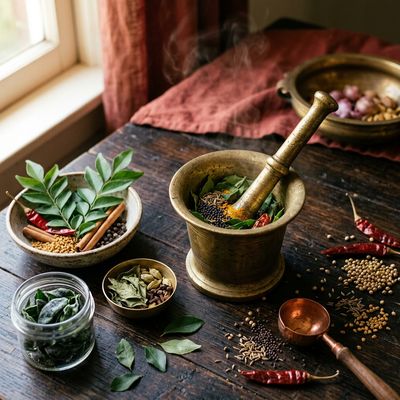
In dishes like Sambar (lentil stew) or Rasam (spiced soup), the tamarind water is boiled with vegetables first to remove its raw edge. The magic happens during 'Tadka' or tempering. Heat oil in a small pan. First, add Mustard Seeds; when they pop, add Fenugreek Seeds and Dried Red Chilies to bloom for 30 seconds. Finally, toss in Curry Leaves at the very end of the temper before pouring the hot oil into the tamarind-based broth. This sequence ensures the fenugreek doesn't turn bitter and the curry leaves stay fragrant.
Thai Cuisine: The Balance of Three
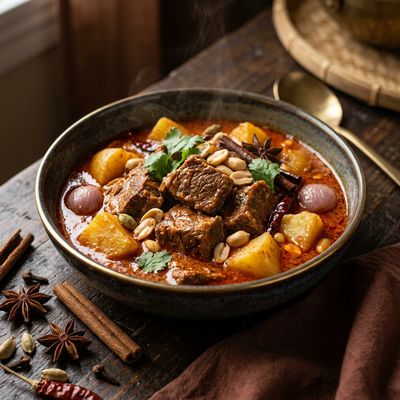
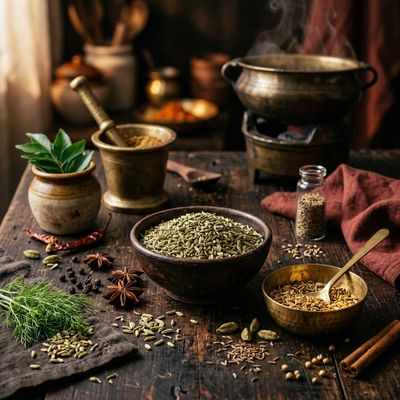
In Pad Thai or Massaman Curry, tamarind provides the sour component of the 'Sweet, Salty, Sour' trifecta. For a Massaman Curry, begin by blooming whole Cinnamon Sticks, Star Anise, and Cardamom Pods in thick coconut cream or oil at the very start. Once fragrant, add your curry paste and tamarind. Unlike Indian cooking, where the sourness is boiled out, Thai cooking often involves adding a final dash of tamarind paste or lime juice at the finish to brighten the dish.
Indian-Chinese Fusion: The Sweet and Sour Profile
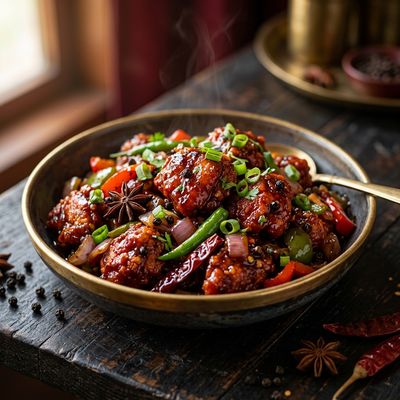
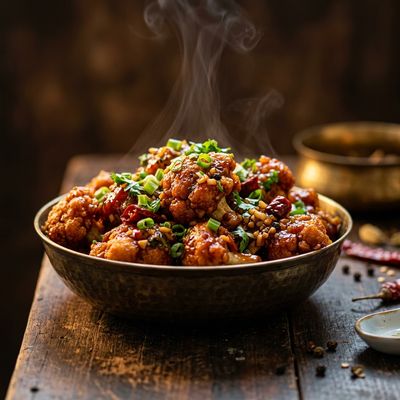
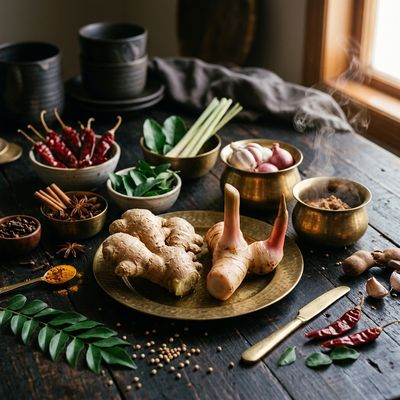
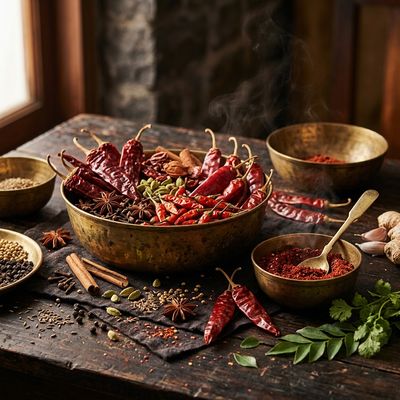
In 'Desi Chinese' dishes like Szechuan Gravy or Sweet and Sour Manchurian, tamarind paste is often used alongside vinegar to provide body. To start, bloom Sichuan Peppercorns and Star Anise in hot oil until they release their aroma, then remove them (or leave them for numbing heat). Add ginger, garlic, and your tamarind-soy-chili mixture. The tamarind helps glaze the proteins, creating a sticky, glossy finish characteristic of this style.
What to Make Ahead
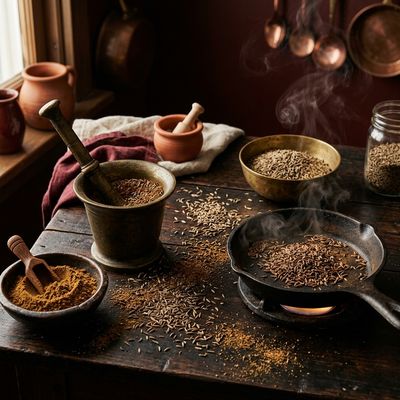
You can prepare 'Tamarind Pulp' in bulk. Soak a whole block, strain it, and freeze the liquid in ice cube trays. These cubes can be dropped directly into hot pans. Additionally, the base for Imli Chutney (Tamarind and Date Chutney) can be made 2 weeks ahead and refrigerated; it uses Cumin Seeds and Ginger Powder added during the initial boil to develop depth over time.