Guide
Cassia and Cinnamon Are Not the Same: A Guide to Spice Mastery in Indian, Thai, and Indo-Chinese Cooking
Distinguishing between rugged cassia bark and delicate true cinnamon is the secret to authentic home cooking. This guide teaches you how to identify, select, and time the addition of these spices in Indian, Thai, and Indo-Chinese recipes.
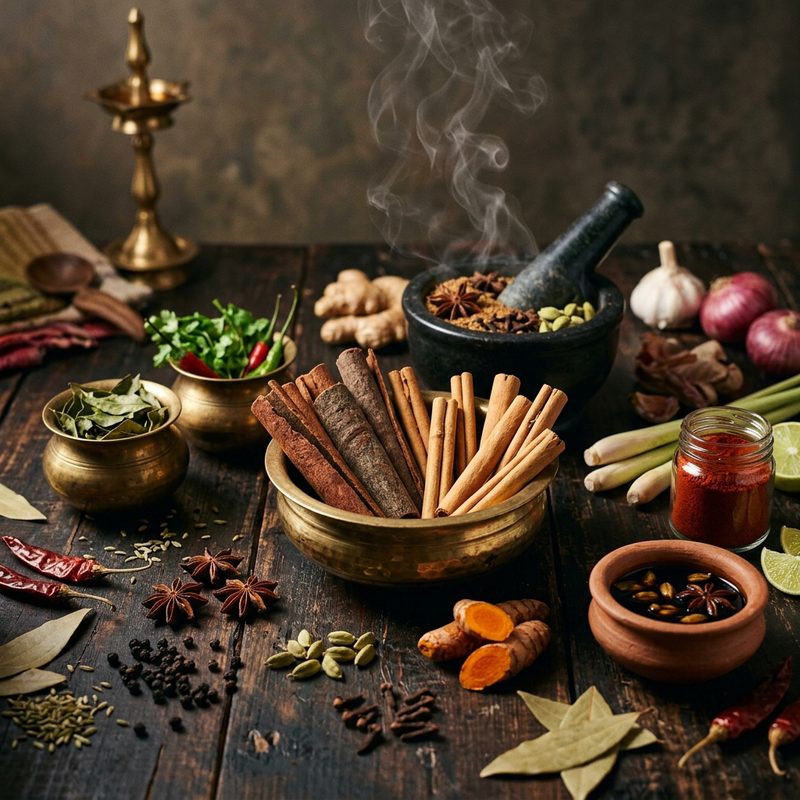
Understanding the Distinction: Cassia vs. Ceylon Cinnamon
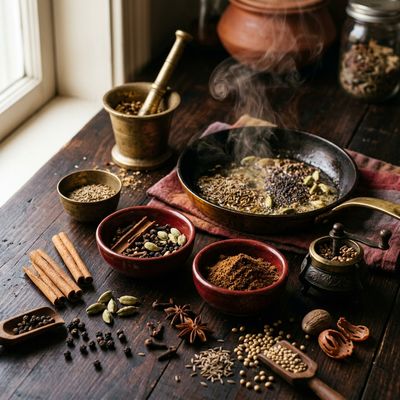
In the Western world, 'cinnamon' is often used as a catch-all term, but for the Asian home kitchen, the distinction is vital. Cassia (Cinnamomum cassia), often called 'Dalchini' in India, is thicker, harder, and has a pungent, spicy-sweet heat. It is the backbone of savory dishes. True Cinnamon (Cinnamomum verum), or Ceylon Cinnamon, consists of thin, brittle layers and has a delicate, citrusy sweetness. While Ceylon is prized for desserts, Cassia is the workhorse of the savory stove.
Indian Cooking: The Power of the Tadka
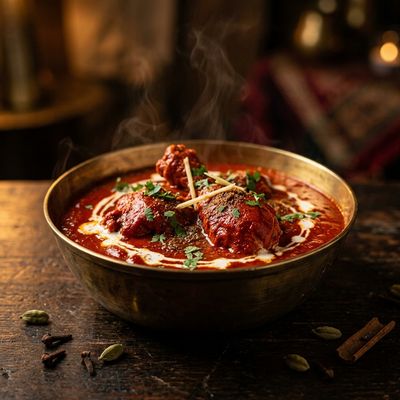
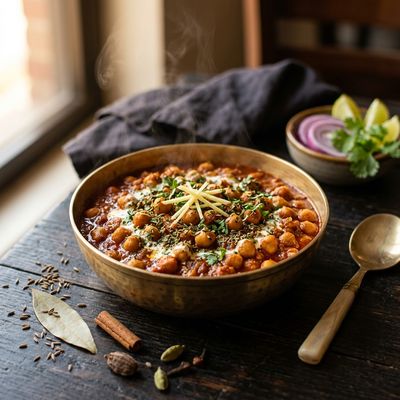
In Indian cuisine, specifically for dishes like 'Mutton Rogan Josh' or a fragrant 'Basmati Pilau', we use Whole Cassia Bark. The timing is critical: it must go in during the tempering stage. You add the bark to hot oil (ghee or mustard oil) at the very beginning. This process, known as 'blooming', allows the fat-soluble essential oils to release, perfuming the entire base of the dish. If you add it later, the bark remains woody and the flavor profile stays shallow.
Thai Cooking: Depth in the Curry Paste
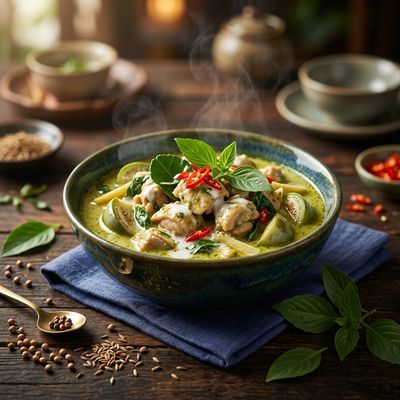
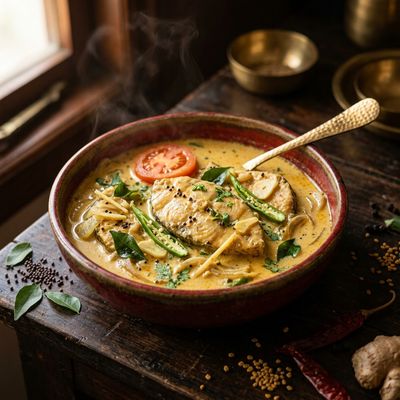
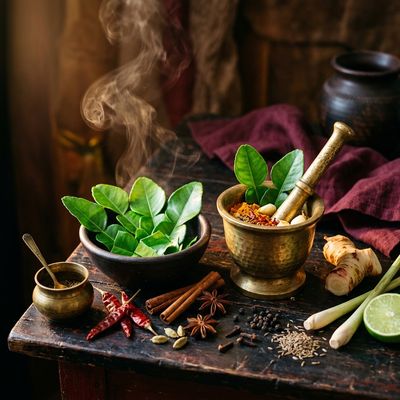
In Thai cooking, particularly for 'Massaman Curry', whole spices provide a warm counterpoint to fermented shrimp paste and chilies. Here, the Cassia bark or a Cinnamon stick is bloomed in oil alongside the curry paste. After the coconut cream 'cracks' (separates into oil), the whole bark is simmered with the meat. This long-simmering extraction ensures the spice permeates the proteins. For a 'Thai Five-Spice Stew' (Moo Palo), the spice is added during the liquid braising stage to provide a consistent aromatic backbone.
Indian-Chinese: High Heat Infusion
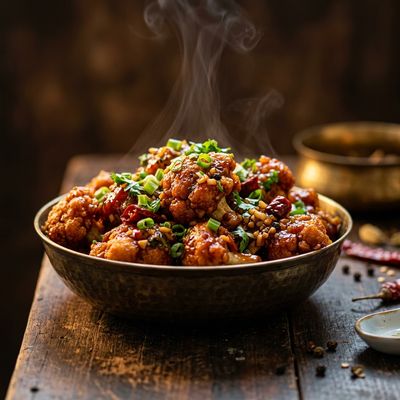
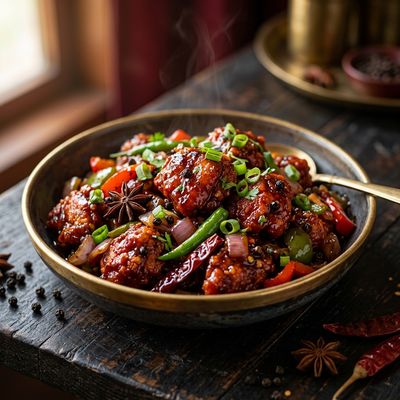
Indian-Chinese (Hakka) cooking, such as 'Vegetable Manchurian' or 'Chilli Chicken', utilizes Cassia differently. Because this cuisine relies on high-heat stir-frying, the spice is often finished at the end or infused very briefly in the initial oil splash to prevent burning. Often, a small piece of Cassia is added to the simmering 'Manchurian Gravy' to provide that elusive, smoky-sweet depth that differentiates it from traditional Cantonese flavors.
Make-Ahead Strategies for the Home Kitchen
Most of these spice-heavy bases can be made ahead. For Indian curries, the 'Bhuna Masala' (the fried onion, ginger, garlic, and bloomed spice base) can be made in large batches and frozen; the Cassia bark will actually continue to infuse flavor as it sits. For Thai cooking, homemade Massaman paste (with ground toasted cassia) can be stored in the fridge for up to two weeks, though whole bark should only be added during the final cook to maintain its structural integrity.