Guide
Black Pepper: When to Add It for Maximum Flavor in Asian Cuisines
Black pepper is more than just a seasoning; its flavor profile transforms depending on when it hits the heat. This guide breaks down the essential timing for Indian, Thai, and Indian-Chinese dishes to ensure your home cooking achieves professional depth.
Indian Cuisine: Tempering and Finishing
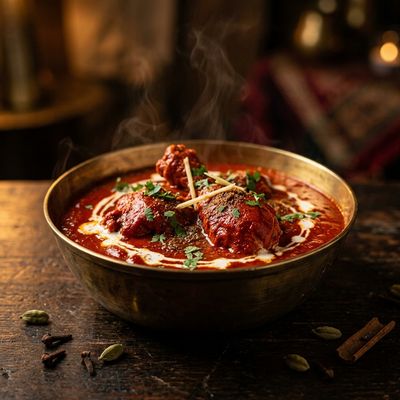
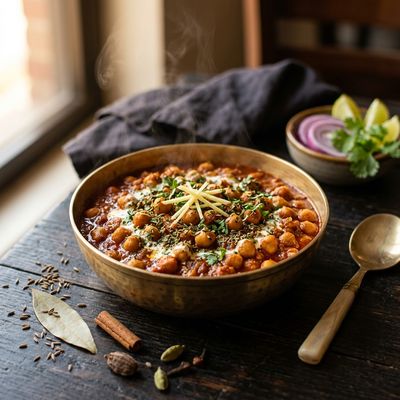
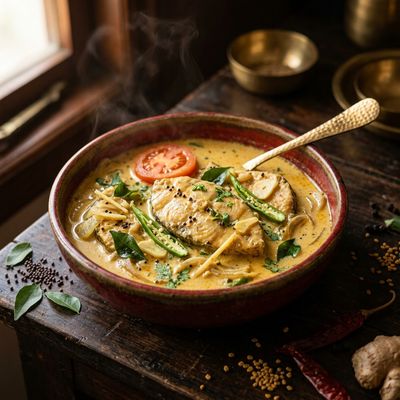
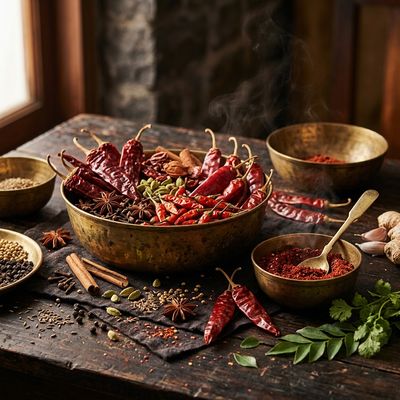
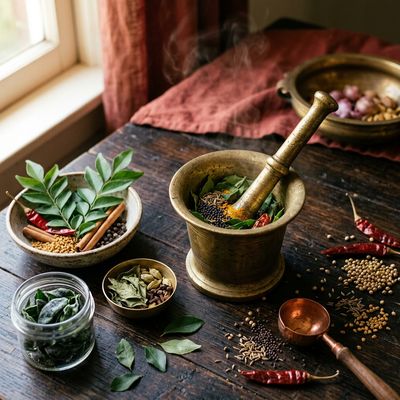
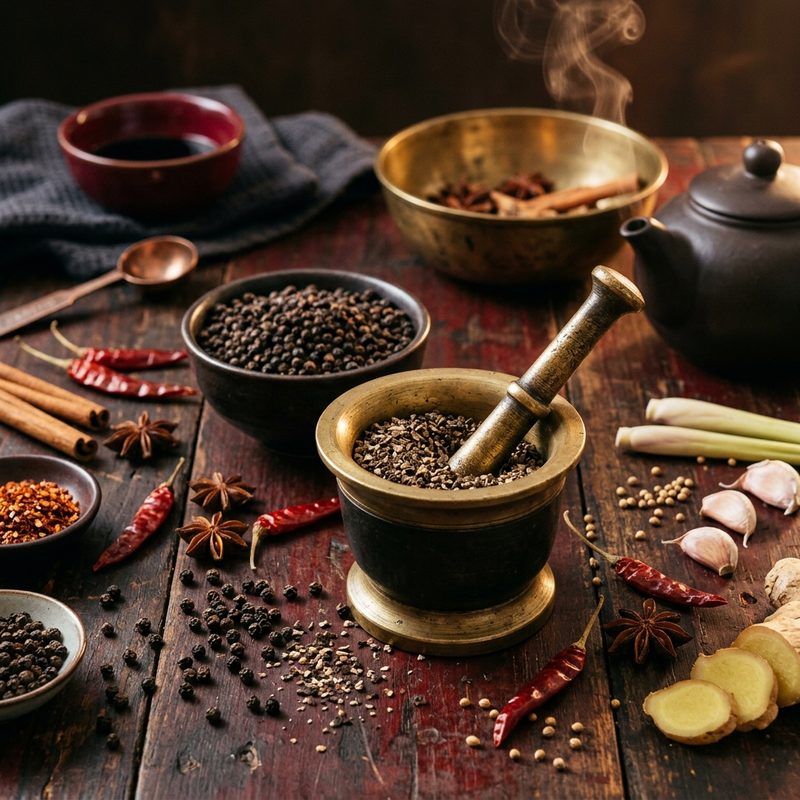
In Indian cooking, black pepper (Kali Mirch) is used in two primary ways: to provide a woody background note or a sharp, pungent kick. For dishes like Ven Pongal (a savory rice and lentil porridge), whole black peppercorns are added during the tempering (tadka) stage. This means they go into hot ghee at the very beginning along with cumin seeds and ginger. Blooming them in oil this way softens their bite and infuses the fat with a subtle earthiness. Conversely, for Chicken Chettinad or a classic Pepper Fry, pepper is often dry-roasted with other whole spices, ground into a masala, and added mid-way through cooking, then finished with another dusting of freshly cracked pepper at the end to maintain its floral aroma.
Thai Cooking: The Foundation Paste
Thai cuisine treats black pepper as a structural flavor rather than a garnish. In the dish Gai Pad Kratiem Prik Thai (Garlic Pepper Chicken), black peppercorns are pounded together with garlic and coriander roots to form a 'three-friend' paste. This paste is bloomed in oil at the very start of the stir-fry. Adding it early allows the pepper to mellow and bond with the aromatics. For spicy jungle curries or Pad Char (Sizzling Stir-fry), whole green or black peppercorns are tossed into the high-heat wok to provide bursts of heat that cut through the richness of the meat.
Indian-Chinese: The High-Heat Bloom
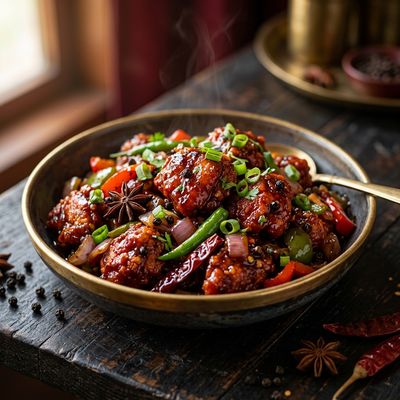
In the world of Indo-Chinese fusion, such as Black Pepper Paneer or Veg Manchurian, timing is everything. Coarsely ground black pepper should be added to the hot oil immediately after the ginger and garlic have softened but before the sauces (soy, chili, vinegar) are introduced. This is called 'blooming.' If you add it too late, the pepper tastes raw and gritty; if you add it too early, it can burn and turn bitter. For Hot and Sour Soup, white or black pepper is added at the very end, just before serving, to ensure the volatile oils provide that signature back-of-the-throat heat without being dulled by boiling.
What Can Be Made Ahead
To save time in a home kitchen, you can prepare the 'Three-Friend' Thai paste (garlic, coriander root, and black pepper) and store it in the fridge for up to three days covered in a thin layer of oil. For Indian dishes, you can dry-roast whole peppercorns and grind them into a coarse powder ahead of time, but ensure they are stored in an airtight glass jar to prevent the oils from dissipating. For Indian-Chinese cooking, pre-chopping your aromatics is helpful, but always crack the pepper fresh for the best results.