Guide
Mastering Turmeric: The Art of Timing and Technique in Asian Cuisines
Turmeric is a foundational spice in Asian kitchens, providing both vibrant aesthetics and deep, earthy flavors. However, its use requires careful timing and heat management to avoid unpalatable bitterness.
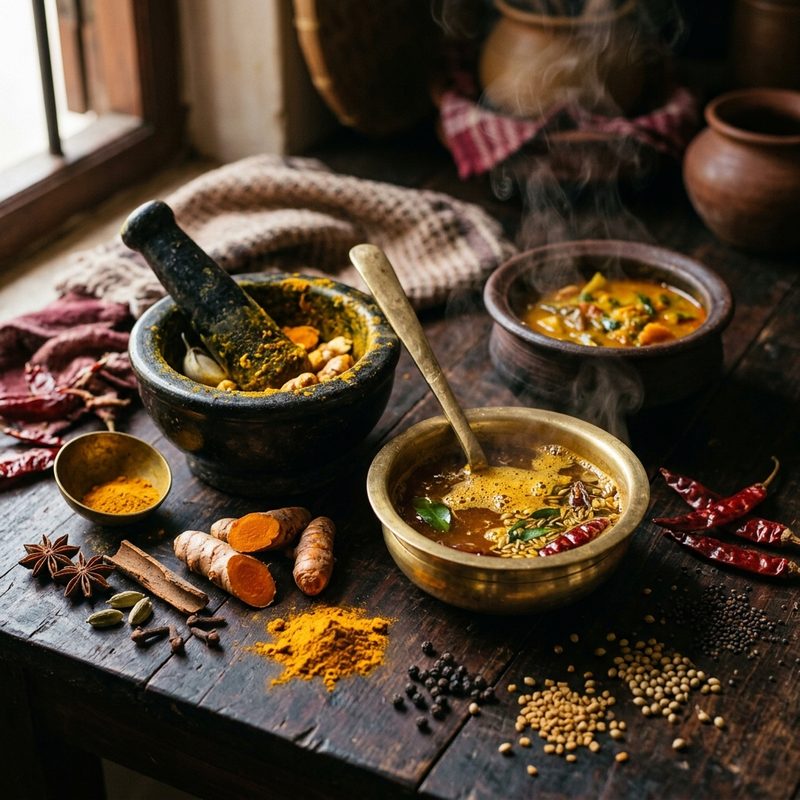
The Golden Rule: Heat Management and Bitterness
Raw turmeric has a harsh, acrid, and metallic profile. To transform it into the warm, musky base we love, it must be dissolved in fat (oil or ghee) under heat. However, there is a fine line: if the fat is too hot or the turmeric is cooked too long without moisture, it burns, turning a dark, muddy brown and becoming intensely bitter. Always ensure you have your next ingredient (like onions, ginger-garlic paste, or a splash of water) ready to halt the frying process once the turmeric has bloomed for 20-30 seconds.
Indian Cooking: The Tadka (Tempering) Method
In a classic Indian dish like Dal Tadka, the timing of spices is non-negotiable. First, you perform the tempering: heat ghee and add whole mustard seeds and cumin seeds. Once they splutter, add dried red chilies and curry leaves. The turmeric powder should be added only after the aromatics (onions and garlic) have softened. It must bloom in the hot fat for exactly 30 seconds before the boiled lentils are poured in. This ensures the colour is a brilliant sun-yellow rather than a dull ochre. You can boil the lentils up to two days ahead, but the turmeric-infused tempering must be done just before serving for the best aroma.
Thai Cooking: The Paste Bloom
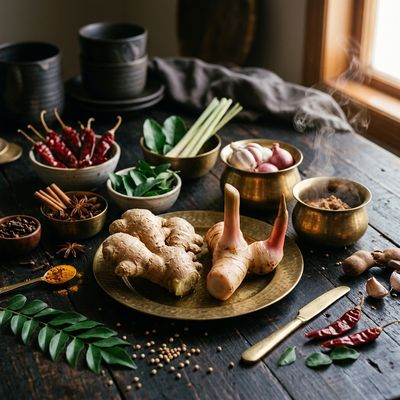
In Thai cuisine, specifically for Gaeng Luang (Yellow Curry), turmeric is usually used fresh. The whole fresh turmeric root is peeled and pounded into a paste along with coriander seeds, white peppercorns, and lemongrass. Unlike Indian cooking where powder is added mid-way, in a Thai home kitchen, the curry paste is fried (bloomed) in the thickest part of the coconut cream at the very beginning. This 'cracks' the cream and releases the turmeric’s oils. This paste can be made a week ahead and stored in the fridge, or frozen for months.
Indian-Chinese: The Finishing Toss
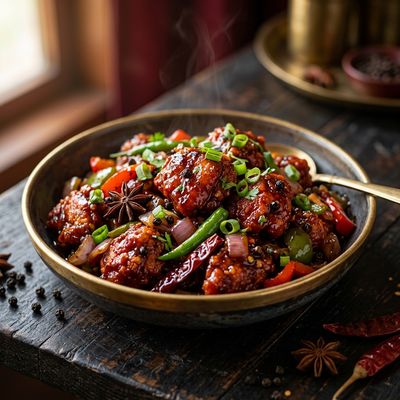
Indian-Chinese fusion, such as Chilli Gobi, treats turmeric differently. Here, it is often part of a dry marinade for the vegetable or meat, mixed with cornstarch and flour. The turmeric is 'cooked' during the deep-frying stage. When finishing the dish in a wok with soy sauce and green chilies, turmeric is rarely added at the end because there isn't enough time to cook out the raw flavor. For make-ahead prep, you can marinate your protein with turmeric and ginger-garlic paste up to 24 hours in advance; this allows the spice to penetrate the fibers deeply.